For contractors, a proper heat pump winter start-up is more than just flipping the switch — it’s about ensuring efficiency, reliability, and longevity. Whether you’re installing a new Airquest, Panasonic, Bosch, or IBC system, following a consistent pre-season checklist ensures smooth operation and prevents costly callbacks during the coldest months.
Inspect Outdoor Units and Clear Surroundings
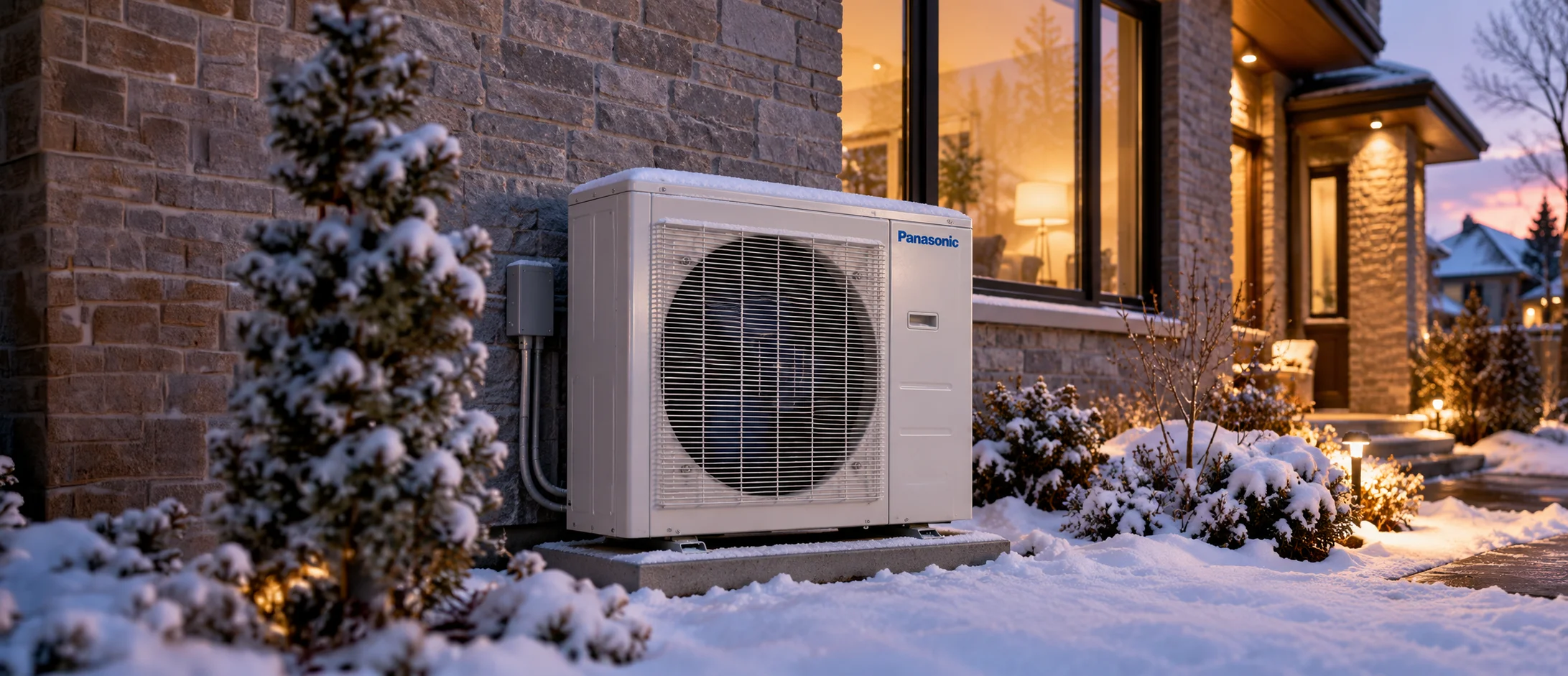
Start with the basics: a clean and unobstructed outdoor unit. During winter, snow, ice, and leaves can restrict airflow, causing the system to lose efficiency or shut down.
Checklist:
- Remove all debris, snow, and ice from around the unit.
- Maintain at least 2 feet of clearance on all sides and 5 feet above the unit.
- Ensure the coil fins are straight and undamaged.
- Verify the fan spins freely and the top grille is secure.
📍 Tip from Nordics: Advise your customers to keep the area around the heat pump clear throughout the winter — airflow is everything for cold-climate performance.
Check the Condensate Drainage System

When the heat pump goes into defrost mode, melting frost produces water that needs proper drainage. If that water freezes, it can back up and damage the fan or base pan.
Checklist:
- Inspect condensate lines and pump operation.
- Confirm that the drain path is sloped and free of obstructions.
- Test the Eckerle Silent Condensate Pump (if installed) to ensure quiet, reliable drainage.
- In cold regions, use heated drain kits or insulated lines to prevent freezing.
Inspect and Test Electrical Components
Low-voltage control wiring, disconnects, and capacitors are often overlooked until there’s a no-heat call. Cold weather stresses electrical connections and can reveal weak components.
Checklist:
- Inspect all wiring for signs of wear, corrosion, or loose terminals.
- Measure voltage at both the disconnect and control board.
- Verify that outdoor sensors and thermostats are connected and calibrated.
- Test crankcase heater operation (essential for protecting compressors in freezing temperatures).
⚡ Pro tip: A simple resistance test on defrost sensors can prevent nuisance lockouts during the first cold snap.
Check Refrigerant Levels and Line Insulation

Refrigerant charge is critical for efficiency — especially in variable-speed inverter systems like Bosch IDS and Panasonic ductless units.
Checklist:
- Confirm proper charge according to manufacturer specs (subcooling/superheat).
- Inspect line set insulation for wear or moisture intrusion.
- Look for oil stains or signs of refrigerant leaks.
- On VRF or multi-zone systems, run a diagnostic test to verify each zone’s valve operation.
A correctly charged system runs smoother, consumes less energy, and defrosts more effectively under extreme cold.
Verify Defrost Mode and Control Logic
Modern heat pumps use smart sensors and algorithms to manage defrost cycles. Testing these before heavy frost sets in can prevent mid-winter service calls.
Checklist:
- Initiate a manual defrost cycle to verify sensor and control board operation.
- Confirm that outdoor fans stop and reversing valves switch correctly.
- Check indoor coil temperature during the cycle to ensure it returns to heating mode properly.
- Verify firmware updates if the unit uses digital controls or connected apps.
🧊 Nordics Insight: Panasonic and Bosch systems include self-diagnostic LEDs and app-based tools to confirm defrost timing and logic — always review logs before sign-off.
Indoor Unit and Airflow Testing
Even a perfectly commissioned outdoor unit will underperform if the indoor airflow is restricted. Dirty coils, blocked filters, or incorrect blower speed settings can reduce heating capacity by up to 30%.
Checklist:
- Inspect and clean indoor coil surfaces.
- Replace air filters and check duct integrity.
- Measure static pressure and verify airflow against manufacturer specs.
- On ductless systems, clean fan wheels and louvers for smooth airflow.
- Confirm communication between the indoor and outdoor boards.
Thermostat and Control Calibration

Smart thermostats and control boards play a huge role in overall comfort and efficiency. Ensure the system logic is optimized for dual-fuel or hybrid configurations.
Checklist:
- Verify thermostat compatibility and firmware version.
- Recalibrate temperature sensors.
- Set the correct balance point (temperature where backup heat engages).
- Review control mode (Auto, Heat, or Hybrid) with the customer.
- On multi-zone systems, confirm proper zoning and sensor feedback.
🧠 Pro tip: During Nordics training sessions, we emphasize thermostat setup and balance point adjustment — one of the most common sources of “not enough heat” complaints.
Final Commissioning and Performance Verification
Once everything is visually inspected and powered on, complete a detailed performance check. A solid commissioning process not only verifies system integrity but also helps protect the contractor’s reputation.
Checklist:
- Measure supply and return air temperatures (expect 25°F–30°F delta).
- Record refrigerant pressures, superheat, and subcooling values.
- Verify power draw and compare with rated amp values.
- Review error history and confirm no stored faults.
- Document readings and leave a copy with the building owner.
📄 Commissioning Tip: Always label outdoor units with the commissioning date and technician’s initials — a simple practice that shows professionalism and accountability.
Customer Education and Maintenance Scheduling
A properly installed heat pump still needs regular attention. Educate customers about maintenance intervals and how to recognize early warning signs.
Checklist for Customer Hand-Off:
- Show them how to clear snow and ice buildup safely.
- Explain normal defrost operation (to prevent false alarms).
- Encourage filter checks every 30–60 days.
- Schedule a mid-winter performance check for critical systems.
💬 Nordics Tip: Providing customers with a printed or emailed start-up checklist adds value and builds trust — it shows your team’s commitment to long-term performance.
Why Proper Start-Up Protects Your Business
Every winter, many service calls trace back to missed start-up details — from frozen drains to miswired sensors. Following a structured checklist ensures predictable results and fewer warranty claims.
For contractors, consistent winter preparation also strengthens your reputation. Clients appreciate reliability, and distributors like Nordics notice the professionalism of teams who follow best practices.
At Nordics, we work closely with contractors to support every stage — from system design to final commissioning. Our technical training programs help your team stay sharp, confident, and ready for every challenge winter brings.
Stay Ready with Nordics Training
Nordics offers year-round technical training covering heat pump systems, commissioning procedures, hybrid configurations, and refrigerant management.
Each session blends classroom instruction with hands-on demonstrations — ensuring contractors walk away ready to deliver peak performance in every project.
Contact us to learn about upcoming heat pump training sessions, or talk to one of our technical advisors about optimizing your next installation.