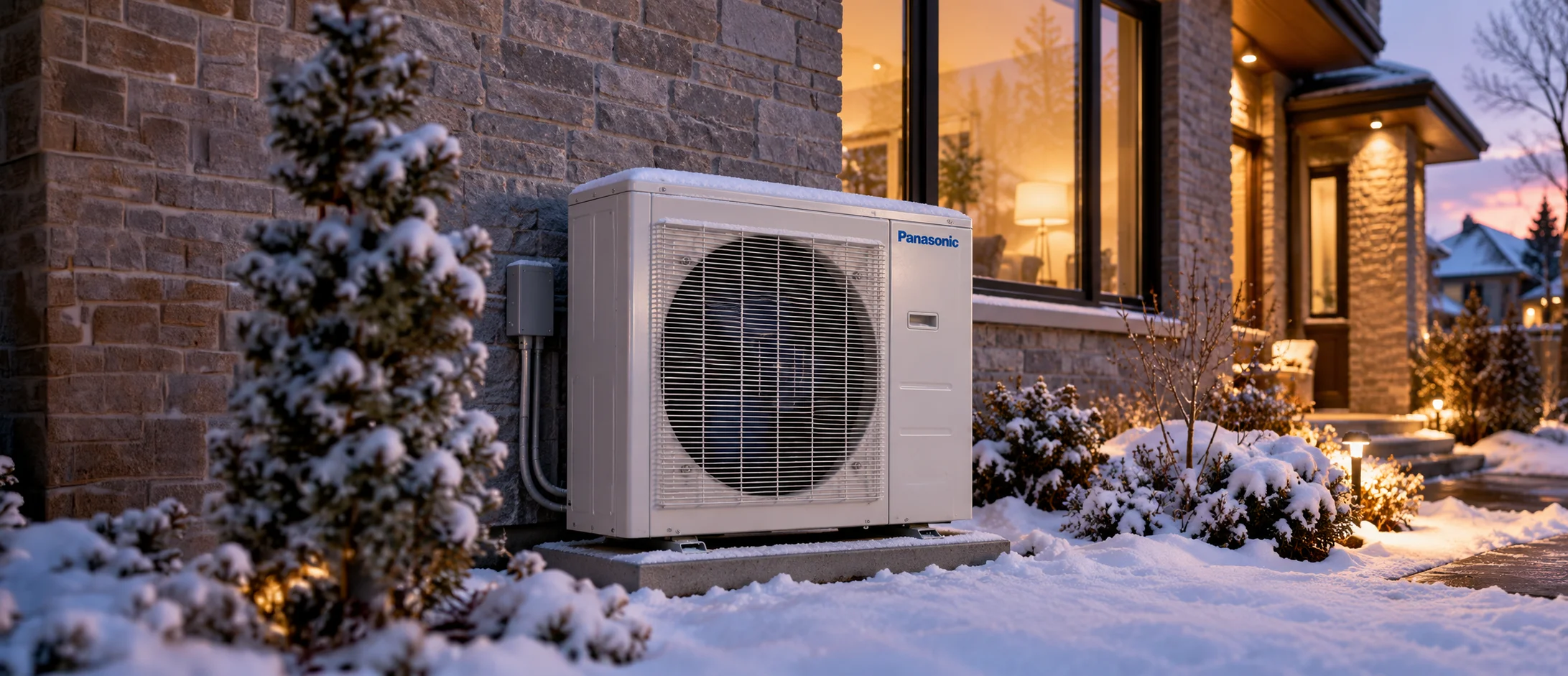
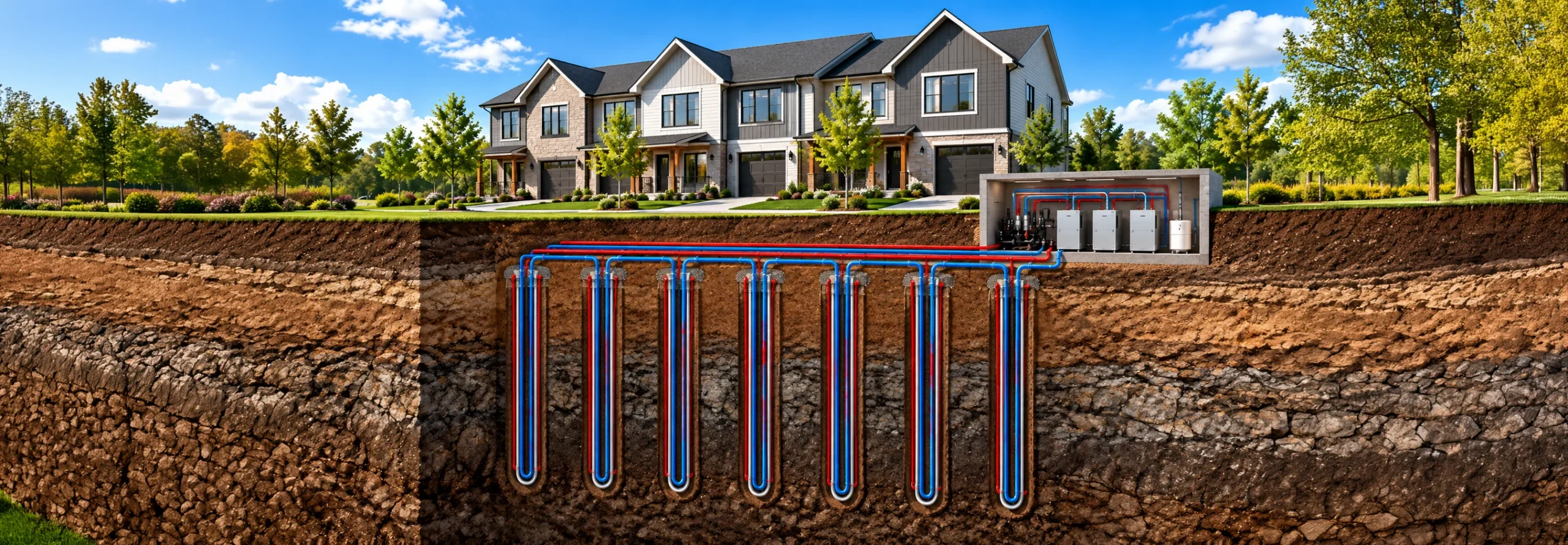
As projects across Ontario shift toward heat pumps, hybrid systems, and electrification, the tolerance for design mistakes is shrinking fast.
HVAC System Design Errors Cost More Than Equipment Failures
When a system underperforms, equipment is often blamed first. In reality, most modern HVAC products—from manufacturers like Airquest, Panasonic, Bosch, and IBC—perform reliably when applied correctly.
What fails more often is HVAC system design.
Incorrect load assumptions, poor airflow planning, mismatched controls, or overlooked electrical constraints create problems that no piece of equipment can solve after the fact. Once the system is installed, correcting design mistakes usually means unpaid labour, site revisits, and difficult conversations with clients.
Equipment issues can be replaced. Design mistakes stay attached to your name.
The Hidden Cost of Poor HVAC System Design

The real cost of poor HVAC system design doesn’t arrive as one major failure. It appears as many smaller issues that quietly erode profitability.
Extra service calls. Extended commissioning. Late-stage electrical upgrades. Control logic adjustments. Warranty claims that aren’t truly warranty-related. Time pulled away from profitable installs to fix avoidable problems.
Each issue may seem manageable on its own. Together, they drain margins and slow growth.
Oversizing: Still the Most Expensive “Safe” Decision
Oversizing remains one of the most common HVAC system design mistakes, especially in cold climates. Many contractors oversize equipment to avoid risk, but the result is often the opposite.
Oversized systems short-cycle, struggle to modulate, and create comfort and efficiency problems. In heat pump and hybrid applications, oversizing leads to unstable defrost behaviour, poor load matching, and unnecessary reliance on backup heat.
A correctly sized system almost always outperforms a larger one chosen out of caution.
Electrical and Controls Are Part of HVAC System Design
Electrification has exposed weak HVAC system design faster than anything else in recent years. Many heat pump projects fail not because the equipment is flawed, but because electrical capacity and control strategy were never addressed early enough.
Late discoveries—panel limitations, service upgrades, transformer constraints—can derail timelines and eliminate profit. Control sequencing between heat pumps, auxiliary heat, and backup systems must be intentional.
Manufacturers like Panasonic, Bosch, and IBC offer advanced solutions, but even the best equipment fails when HVAC system design ignores electrical and control planning.
When the “Right” System Is the Wrong Application
On paper, many systems look ideal. High efficiency ratings. Strong incentive alignment. Clean electrification narratives. In the field, those same systems can become liabilities if they don’t match the building, usage pattern, or client expectations.
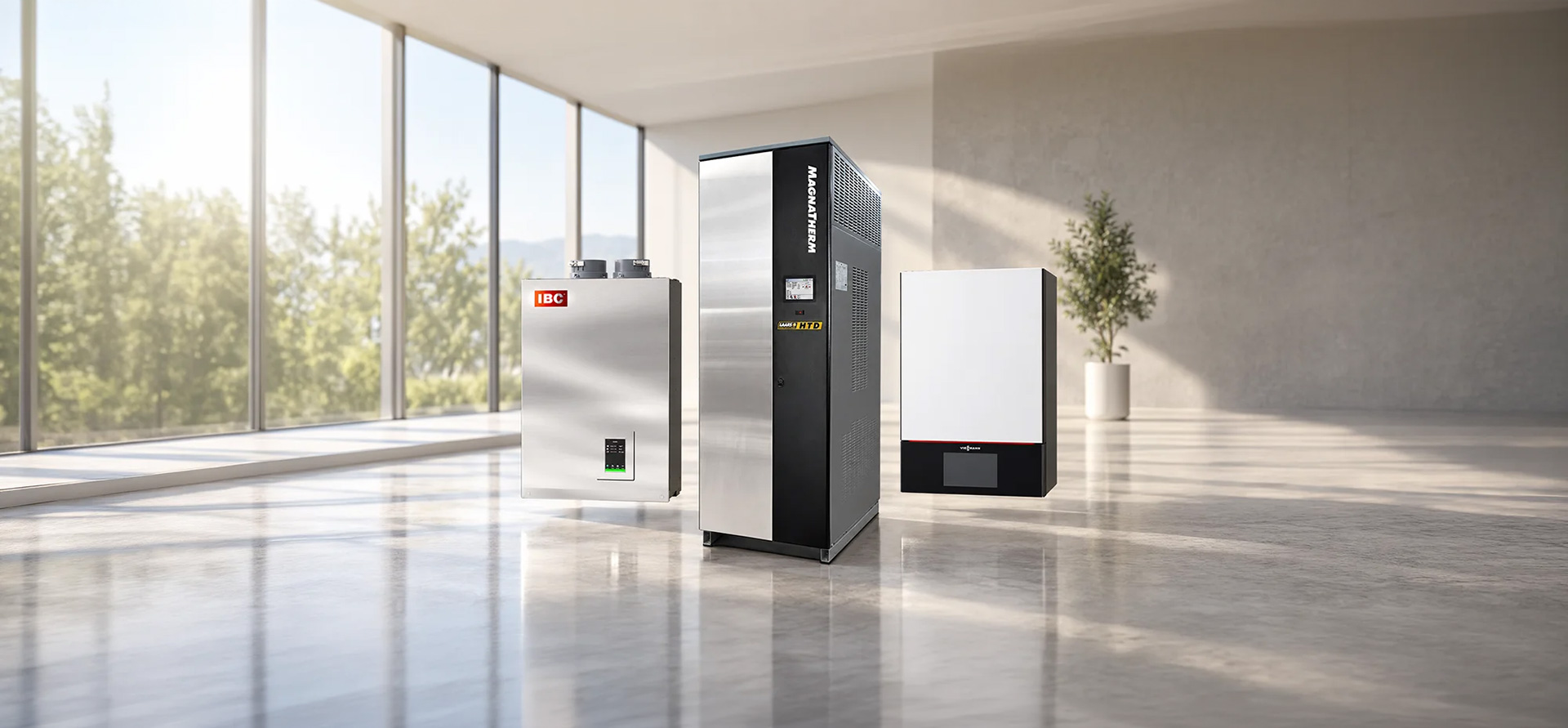
Not every project should be all-electric. Not every building benefits from a single-system approach. Hybrid HVAC systems—often combining technologies from Airquest, Viessmann, NTI, or IBC—frequently deliver better real-world performance and lower risk.
Strong HVAC system design prioritizes application over trends.
Cold Climate HVAC System Design Leaves No Room for Error

Ontario winters expose weak HVAC system design immediately. A system that performs acceptably in mild conditions will fail fast during sustained cold if the design is marginal.
Cold climate performance depends on more than capacity. Airflow balance, defrost logic, backup integration, and control response all matter. Overlooking any one of these leads to comfort complaints, emergency calls, and unhappy clients.
Winter doesn’t forgive design shortcuts.
The Reputation Cost of Getting HVAC System Design Wrong
The most expensive cost of poor HVAC system design isn’t financial—it’s reputational.
Clients remember uncomfortable spaces, repeat service calls, and systems that never operate as promised. Builders, facility managers, and repeat customers don’t separate installation from design. To them, responsibility is shared.
One poorly designed system can cost future work long after the job is complete.
What Experienced Contractors Do Differently
Contractors who consistently deliver profitable, low-stress projects treat HVAC system design as a core discipline:
- They slow down at the design stage
- They validate assumptions instead of guessing
- They plan electrical and controls early
- They select systems based on application, not marketing
- They rely on process, not luck
This approach reduces callbacks, protects margins, and builds long-term trust.
Final Thought
HVAC system design is not overhead—it’s insurance.
As systems become more complex, the cost of design mistakes increases. Contractors who invest time upfront avoid problems later. Those who rush design end up paying for it repeatedly.
If you need technical support, system selection guidance, or design-level insight for your next HVAC project, Contact us. Getting HVAC system design right from the start costs far less than fixing it later.