X
  • No products in the list

Heat Pump Rooftop Units in Cold Climate Regions: What Works, What Doesn’t, and What to Consider

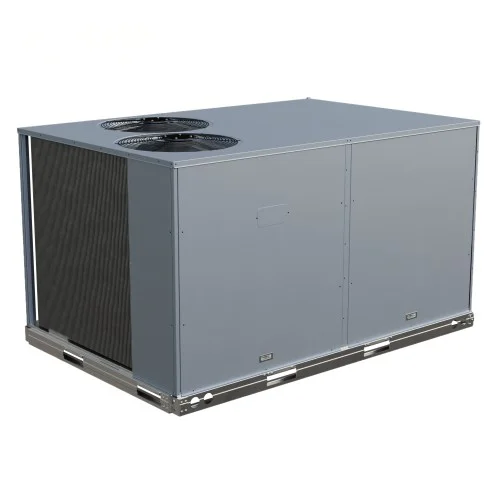
Heat pump rooftop units (RTUs) are gaining attention across commercial HVAC markets as electrification efforts accelerate and building owners look for alternatives to traditional gas-fired systems. In cold climate regions such as Ontario, however, their application requires careful consideration. While modern heat pump technology has improved significantly, rooftop units operating in harsh winter conditions face unique challenges that differ from split systems or hydronic solutions.

This article takes a practical, field-oriented look at heat pump rooftop units in cold climate regions. It explores where they perform well, where they struggle, and what contractors, engineers, and facility managers should consider before specifying or installing them.

What Is a Heat Pump Rooftop Unit?

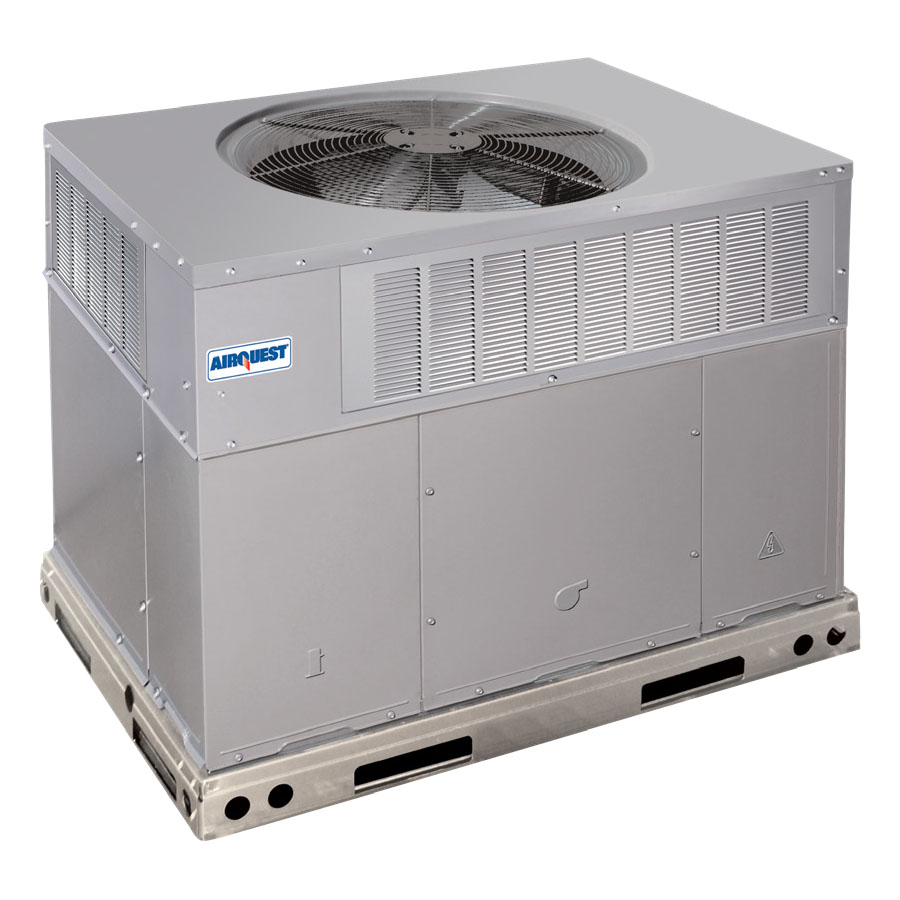
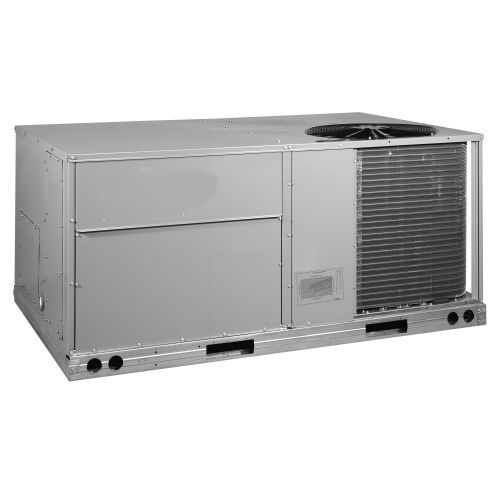
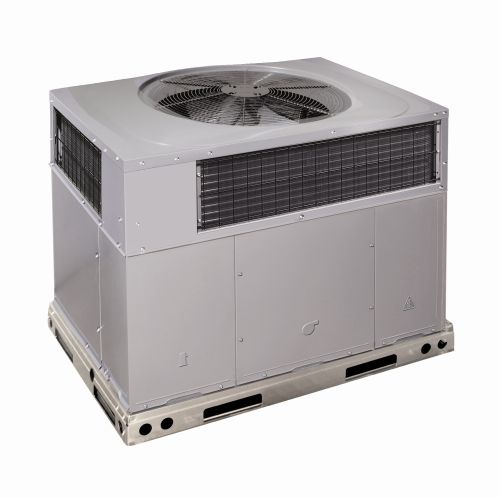
A heat pump rooftop unit is a packaged HVAC system installed on a building roof that provides both heating and cooling using a refrigeration cycle rather than combustion. Like conventional RTUs, all major components—compressors, coils, fans, and controls—are housed in a single outdoor cabinet. The difference lies in the heating method.

Heat Pump Rooftop Units

Instead of generating heat through a gas burner or electric resistance elements, heat pump RTUs extract thermal energy from outdoor air and transfer it indoors. In cooling mode, they operate similarly to standard air conditioning units. In heating mode, the refrigeration cycle is reversed to provide space heating.

This packaged format makes RTUs attractive for commercial buildings due to their relatively straightforward installation, centralized service access, and compatibility with ducted distribution systems.

The Cold Climate Challenge

Cold climate performance is the primary concern when evaluating heat pump RTUs. As outdoor temperatures drop, the amount of usable heat available in the air decreases. This results in a reduction in heating capacity and system efficiency, particularly during prolonged cold periods.

In addition, heat pump RTUs must periodically enter defrost cycles to prevent frost accumulation on outdoor coils. During defrost, heating output is temporarily reduced, which can affect indoor comfort if not properly managed.

Heat Pump Rooftop Units

Another critical factor is electrical demand. As temperatures fall, compressors work harder to maintain output, increasing power consumption. In some cases, supplemental electric heat or backup systems are required to meet peak heating loads, placing additional strain on electrical infrastructure.

These realities mean that cold climate performance depends less on nameplate efficiency ratings and more on how the system is designed, sized, controlled, and supported.

Where Heat Pump RTUs Perform Well

When applied appropriately, heat pump rooftop units can perform effectively in cold climate regions. They are particularly well-suited for buildings with moderate heating loads and consistent occupancy patterns.

Common applications where heat pump RTUs tend to work well include retail spaces, offices, schools, and light commercial buildings with reasonable insulation and air tightness. These buildings often benefit from strong part-load performance, especially during shoulder seasons when outdoor temperatures are cool but not extreme.

In these scenarios, heat pump RTUs can provide efficient heating and cooling while reducing reliance on fossil fuels. Their ability to modulate capacity and operate efficiently at partial loads is a significant advantage over older, fixed-capacity gas units.

Where Limitations Become Apparent

Heat pump RTUs are not a universal replacement for gas-fired rooftop units. Their limitations become more pronounced in buildings with high peak heating demands or challenging environmental conditions.

Warehouses, manufacturing facilities, and buildings with high ceilings or significant infiltration often require large amounts of heat during winter. In these cases, heat pump RTUs may struggle to maintain indoor temperatures during extreme cold without substantial supplemental heat.

Older buildings with poor insulation, high ventilation requirements, or limited electrical capacity can also pose challenges. Retrofitting such structures with heat pump RTUs without addressing envelope performance or power availability can lead to underperformance and occupant dissatisfaction.

Understanding these limitations early in the design process is critical. Heat pump RTUs should not be treated as direct, one-for-one replacements for traditional gas units without evaluating the broader system context.

Hybrid and Backup Heating Strategies

In many cold climate applications, hybrid configurations offer a practical solution. Hybrid heat pump rooftop units combine electric heat pump operation with a secondary heating source, such as gas or electric resistance heat, to support performance during extreme conditions.

In these systems, the heat pump handles the majority of heating demand during mild and moderate temperatures, while backup heat stages in only when required. This approach balances efficiency, reliability, and operational flexibility.

For Ontario climates, hybrid strategies can significantly reduce gas consumption while maintaining dependable heating during cold snaps. They also allow building owners to transition toward electrification without fully committing to an all-electric system before infrastructure and grid conditions are ready.

Key Design Considerations

Design plays a critical role in the success of heat pump rooftop units in cold climates. Proper sizing is essential, particularly when heating demand differs significantly from cooling requirements. Oversizing for heating can create inefficiencies in cooling mode, while undersizing can compromise winter comfort.

Ventilation loads must also be carefully considered. Outdoor air requirements can significantly impact heating capacity, especially in institutional and commercial buildings with high fresh air demands.

Defrost strategies, control logic, and staging sequences should be tailored to the building’s usage patterns and climate conditions. Advanced controls can help optimize performance, reduce unnecessary defrost cycles, and maintain stable indoor conditions.

Roof exposure is another often-overlooked factor. Wind, snow accumulation, and rooftop placement can affect performance and serviceability, particularly during winter months.

Electrical Infrastructure Planning

Heat Pump Rooftop Units

One of the most critical considerations for heat pump RTUs is electrical capacity. Unlike gas-fired systems, heat pump RTUs rely entirely on electricity for heating. This can create demand spikes during cold weather, especially when multiple units operate simultaneously.

Early coordination with electrical engineers is essential to ensure adequate panel capacity, transformer sizing, and distribution planning. Failure to address electrical requirements upfront can lead to costly delays or compromised system performance.

As more building systems move toward electrification, integrated planning becomes increasingly important. Heat pump RTUs should be evaluated alongside other electric loads rather than in isolation.

Maintenance and Service Implications

Rooftop units in cold climates face harsh environmental conditions. Snow, ice, wind, and temperature extremes all affect long-term reliability. Regular maintenance is critical to ensure consistent performance and avoid premature failures.

Access and service planning should account for winter conditions, including safe rooftop access and snow management. Filters, coils, and drainage systems require regular inspection, particularly during heating season.

Commissioning is especially important for heat pump RTUs. Proper setup of controls, sensors, and staging sequences can significantly impact performance, energy use, and occupant comfort.

A Practical Takeaway

Heat pump rooftop units can be a viable and effective solution in cold climate regions when applied with realistic expectations and sound engineering. They are not a universal replacement for gas RTUs, but they can deliver strong performance in the right applications.

Success depends on understanding their limitations, designing systems appropriately, and integrating backup strategies where necessary. For contractors, engineers, and facility managers, the key is to view heat pump RTUs as one tool among many—not a one-size-fits-all answer.

When approached thoughtfully, heat pump rooftop units can play an important role in modern commercial HVAC systems, even in demanding cold climate environments.

For projects where heat pump rooftop units are being evaluated, equipment selection and application support remain critical. Airquest, a proud member of the Carrier family, offers a range of rooftop solutions designed for commercial applications, with configurations that support hybrid and cold-climate strategies when properly designed. For contractors, engineers, and facility managers planning rooftop unit projects, Nordics can provide technical guidance, availability insights, and support to help ensure the right rooftop solution is selected for the application. Contact Nordics for rooftop unit inquiries, specifications, and project support.

Need top brands like Airquest, Panasonic, Bosch, IBC, Ruud, and Generac—fast and at the best pricing? We are here to help.

Step 1 of 3

Protected by reCAPTCHA and the Google Privacy Policy and Terms of Service apply.