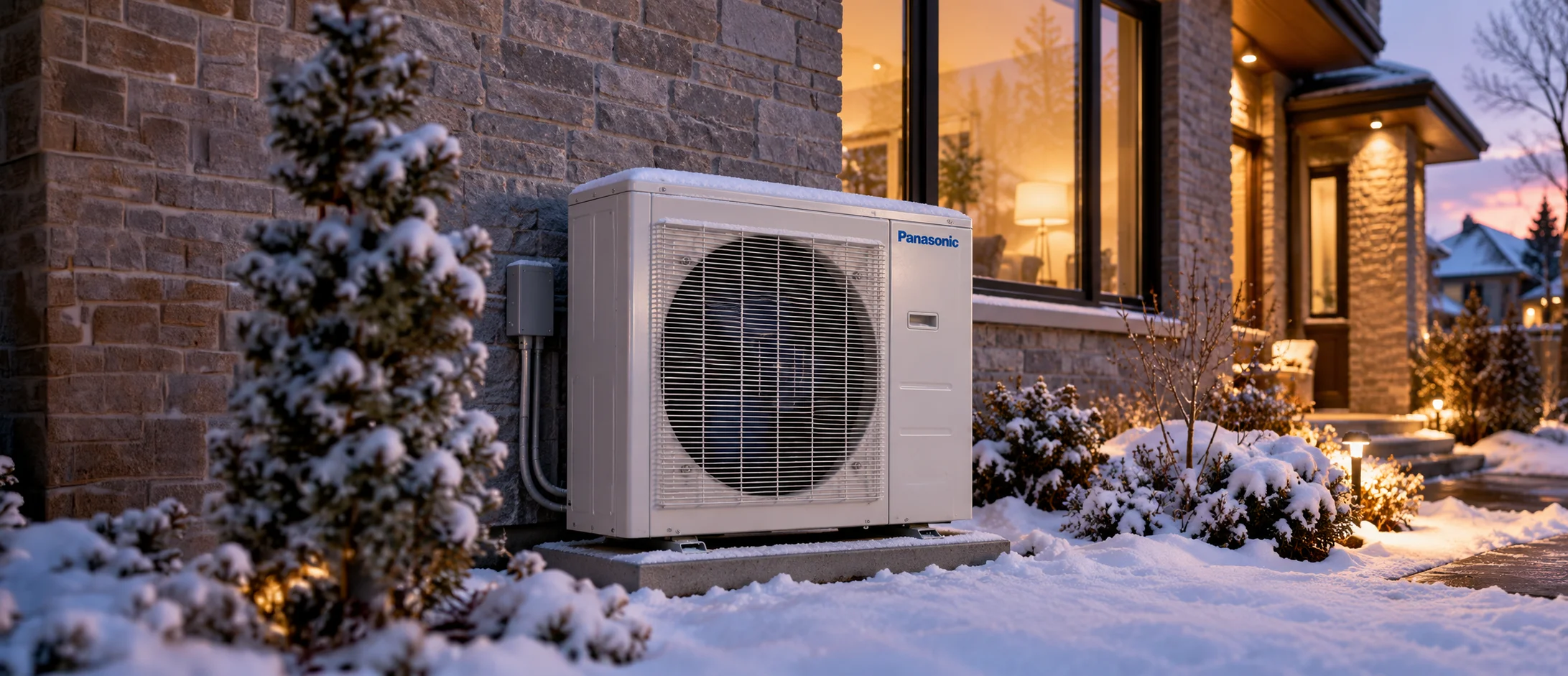
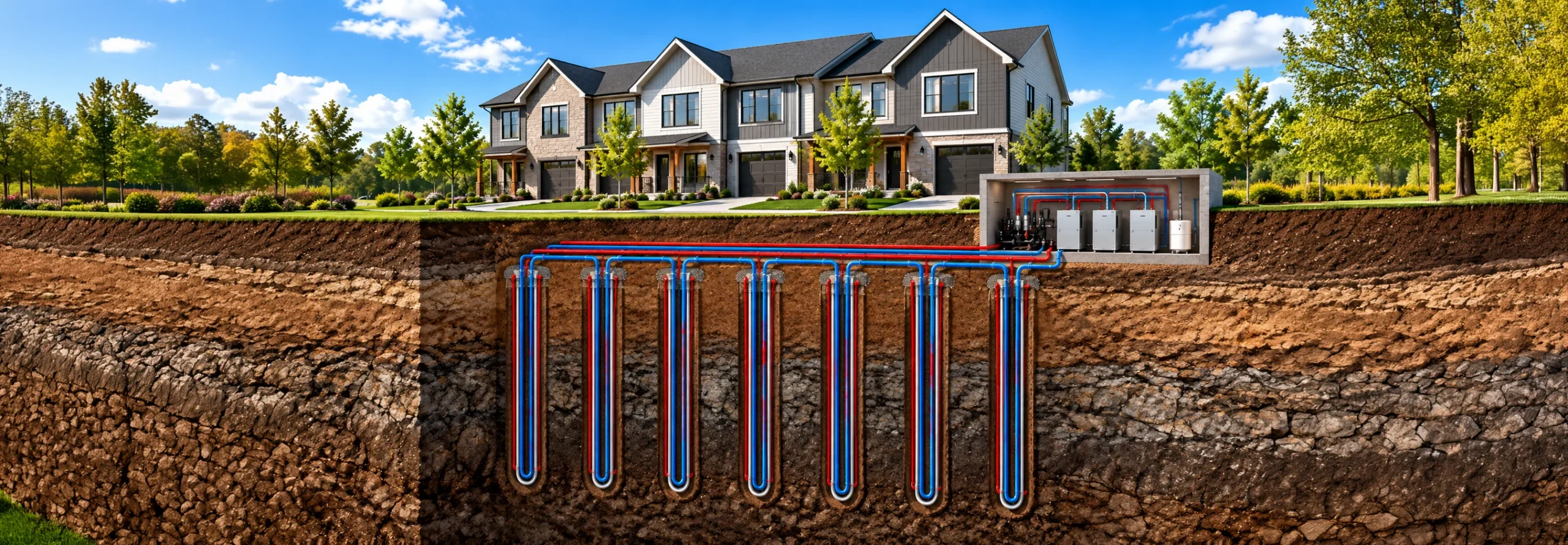
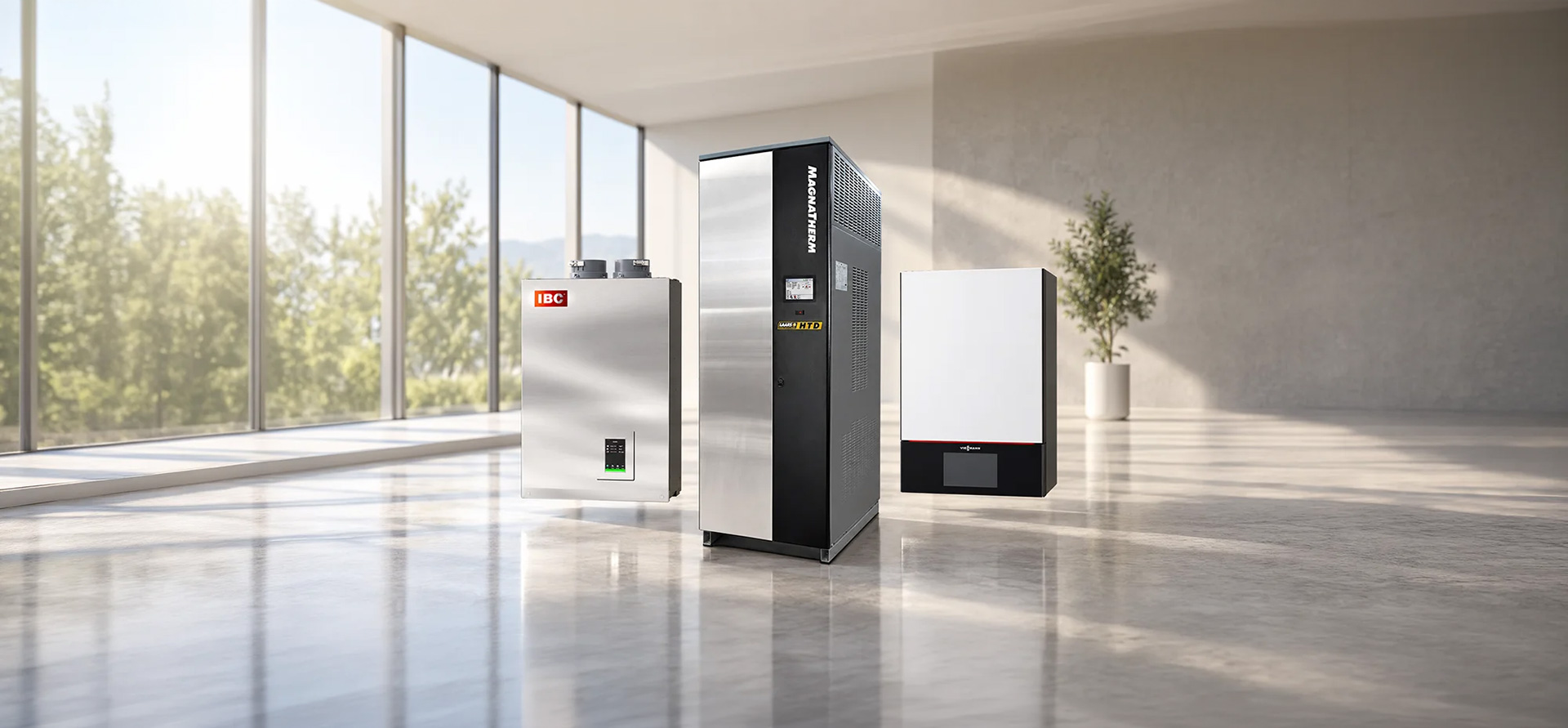
A VRF system consists of one or more outdoor condensing units connected to multiple indoor fan coils. Each indoor unit automatically adjusts its refrigerant flow based on the exact heating or cooling requirement of its zone. This results in individualized comfort, reduced energy consumption, and quieter operation compared to traditional setups.
Because VRF systems use inverter-driven compressors, they can continuously modulate their speed. Instead of cycling on and off, they operate smoothly and efficiently, maintaining consistent indoor conditions while extending equipment lifespan.
Types of VRF Systems
1. Heat Pump VRF Systems
In a heat pump configuration, the system can either cool or heat all connected zones at the same time. These systems are ideal for buildings where the overall thermal load is uniform — such as offices, schools, or open-plan commercial areas.
Heat pump VRF systems are known for their simplicity, efficiency, and long piping capabilities, allowing flexible installation across multiple floors or long distances. With minimal ductwork and fewer joints, they reduce both material and labour costs.
2. Heat Recovery VRF Systems
Heat Recovery VRF systems take energy efficiency to the next level by offering simultaneous heating and cooling. They achieve this by transferring heat recovered from one area and reusing it in another.
For instance, heat extracted from a sunny conference room can be used to warm a shaded office space. This smart energy redistribution makes heat recovery VRF systems ideal for hotels, multi-tenant buildings, healthcare facilities, and condominiums — anywhere that occupants have different comfort needs at the same time.

How VRF Systems Work
The principle behind VRF is simple yet incredibly efficient. The system continuously circulates refrigerant between the outdoor and indoor units through a closed loop of piping. Each indoor unit features an electronic expansion valve (EEV) that precisely meters the refrigerant flow based on the real-time thermal demand of its space.
A network of sensors and control boards coordinates the operation between all connected units, ensuring smooth transitions between heating and cooling while maintaining stable pressure and temperature balance.
This design eliminates unnecessary energy use and ensures that every zone receives exactly the conditioning it needs — nothing more, nothing less.
Key Advantages of VRF Systems
1. Outstanding Energy Efficiency
VRF systems operate only at the capacity required by the building at any given time. This variable performance significantly reduces energy consumption, especially at partial loads.
Because refrigerant is moved directly to the indoor coils (rather than air through ducts), thermal losses are minimized, resulting in seasonal energy savings of 30–40% compared to conventional systems.
2. Design Flexibility
With long piping lengths — often exceeding 3,000 feet — and the ability to connect dozens of indoor units, VRF systems adapt perfectly to projects of any scale or layout.
They also eliminate the need for large mechanical rooms, water pumps, and bulky ductwork, freeing up valuable space for other uses.

3. Zoned Comfort and Control
Each zone can be set to its own temperature and mode of operation. This means one room can cool while another heats, all controlled through intelligent digital thermostats or centralized building management systems.
4. Quiet and Reliable Operation
Modern VRF systems operate with low sound levels both indoors and outdoors, making them ideal for residential and commercial buildings where acoustic comfort matters. Multiple compressors within the outdoor unit balance the workload automatically, enhancing reliability and prolonging system life.
5. Reduced Maintenance
Fewer moving parts, no chilled-water circuits, and built-in diagnostics contribute to minimal maintenance requirements. The self-monitoring controls help technicians identify and resolve issues quickly, reducing downtime and service costs.
Smart Controls and Automation
VRF systems integrate seamlessly with modern control platforms, allowing complete visibility and automation across zones and equipment.
Centralized controllers provide easy scheduling, monitoring, and optimization from a single interface, while advanced energy management modules allow building owners to track energy consumption and adjust temperature ranges for further efficiency.
Web-based or BACnet-compatible systems enable users to log in remotely to check performance, view error codes, and manage entire properties — a key advantage for multi-building operations or facility managers.
Applications Across Building Types
| Building Type | Why VRF Works Best |
|---|---|
| Office Buildings | Streamlined electrical connections, quiet operation, and adaptability for future expansions. |
| Hotels & Hospitality | Independent room temperature control, energy savings from recovered heat, and pre-arrival conditioning. |
| Assisted Living & Healthcare | Zone-by-zone comfort control supporting individual occupant needs. |
| Educational Institutions | Efficient heating and cooling for classrooms, labs, and administrative spaces. |
| Retail & Commercial Spaces | Compact design, efficient zoning, and minimal disruption during retrofits. |
The Installation and Servicing Advantage
Modern VRF systems are engineered for faster, cleaner installation.
Lightweight copper piping and quick-connect wiring reduce on-site labour, while pre-programmed outdoor units automatically detect and assign ports for each indoor unit — eliminating manual setup.
Built-in diagnostics, such as spot check functions, allow technicians to read system performance and error codes instantly, ensuring smooth commissioning and easy maintenance throughout the system’s life cycle.
Nordics Airquest VRF Technical Training

At Nordics, we believe that knowledge drives success. That’s why we’re offering a specialized Airquest VRF Technical Training program — designed to help contractors, technicians, and HVAC professionals master the latest VRF technologies and applications.
📅 November 12–13, 2025
🕙 10 AM – 3 PM
📍 Hybrid: In-Person & Online
What You’ll Learn
- Product Review: Explore Airquest VRF system components and their functions.
- Application & Design: Learn how to plan and size systems for various projects.
- Commissioning: Gain hands-on experience with setup, control configuration, and troubleshooting.
Whether you’re new to VRF systems or want to deepen your technical expertise, this training provides valuable insight into installation best practices, energy-saving strategies, and performance optimization.
Limited in-person spots available — register early!
Contact us to reserve your place or learn more.
Conclusion
VRF systems represent the next generation of HVAC design — smarter, quieter, and more efficient than traditional systems. They deliver precise comfort, flexible installation, and long-term reliability while helping buildings achieve sustainability goals.
With Nordics’ commitment to supporting professionals through education, tools, and technical expertise, contractors can confidently design and install advanced systems that meet the highest standards of efficiency and performance.
Whether for new construction or retrofit projects, VRF technology offers the perfect blend of innovation, control, and comfort — and Nordics is here to help you master it.