Most contractors sized systems conservatively — or more accurately, oversized them intentionally — because nobody wanted callbacks. If a unit was slightly too large, at least the customer wouldn’t complain about lack of heating or cooling.
That mindset shaped a huge part of the industry for years.
And honestly, for a while, it worked.
But the market is changing faster than many contractors expected.
You can see it almost everywhere now. Commercial clients are asking harder questions. Building owners are paying closer attention to operating costs. Heat pumps are entering applications that used to belong almost entirely to gas systems. Even residential customers are becoming more educated about equipment, efficiency, and comfort.
The old “just throw a bigger unit on it” mentality is starting to create more problems than solutions.
Oversized Equipment Is Still Creating Problems
A lot of Ontario contractors are beginning to realize that the profitable HVAC jobs today are not necessarily the biggest jobs. They are the jobs designed properly from the beginning.
That’s a major difference.
Because bad HVAC design usually doesn’t fail immediately. That’s what makes it dangerous.
A poorly designed system can technically “work” while quietly creating problems for years. Short cycling. Humidity issues. Uneven temperatures. High electrical consumption. Noise complaints. Premature wear. Endless service calls that slowly eat profit margins alive.
This is especially obvious now with inverter-driven equipment and modern heat pumps. Oversizing a variable-speed system the same way contractors oversized older equipment often creates disappointing performance instead of “extra safety.”
Many contractors are still applying old-school logic to completely different technology.
And the systems expose it quickly.
Commercial Projects Are Less Forgiving Than Ever
Commercial HVAC projects are where poor design becomes painfully obvious.
Anyone who has worked on rooftop equipment long enough has seen it happen. The office building that never cools evenly. The retail unit with hot and cold zones everywhere. The tenant constantly complaining because the rooftop unit has been oversized so badly that it cycles aggressively all day without maintaining stable comfort.
Years ago, many of these issues were tolerated because energy costs were lower and expectations were different.
Today, clients notice everything.
Especially in Ontario, where both residential and commercial customers are becoming more conscious about efficiency, electrification, and long-term operating cost.
The days of “good enough” HVAC are disappearing slowly, but they are disappearing.
Heat Pumps Changed the Industry Conversation

Five years ago, many contractors still viewed heat pumps as secondary systems or rebate-driven products.
That mindset is disappearing fast.
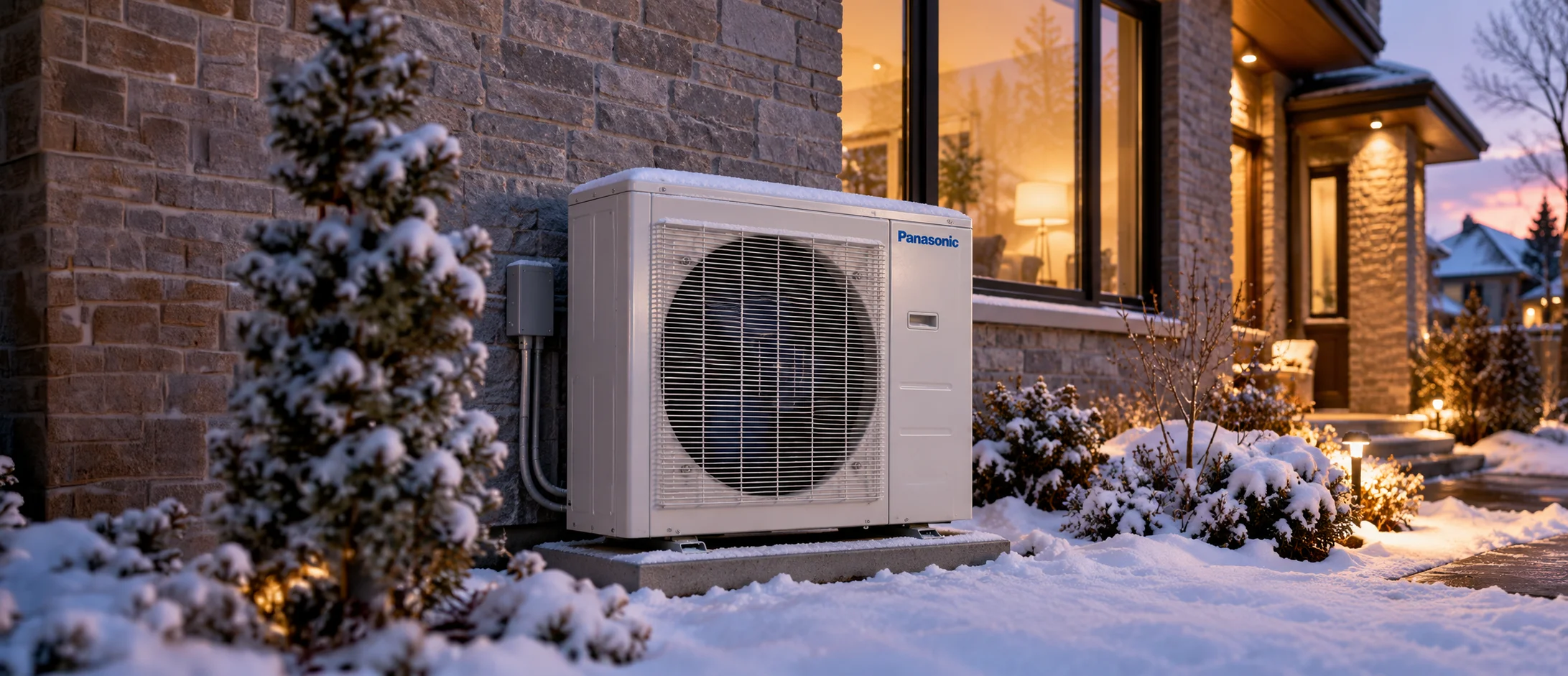
Cold climate technology changed the conversation completely. Modern systems are now entering applications that would have been considered unrealistic not long ago.
But heat pumps also exposed a major issue inside the industry:
many installations were never being designed properly in the first place.
Modern inverter systems reward proper airflow, proper commissioning, proper refrigerant management, and proper load calculations.
They punish shortcuts.
That’s why some contractors are seeing incredible long-term performance from heat pumps while others are dealing with callbacks, complaints, and frustrated customers.
The difference is usually not the equipment itself.
It’s the design and installation quality behind it.
Training Is Becoming a Competitive Advantage

The technical gap inside HVAC is getting wider.
Some contractors adapted quickly to modern systems. Others are still approaching projects exactly the same way they did ten or fifteen years ago.
You can see the difference immediately in the field.
The contractors investing in:
- commissioning
- airflow verification
- controls
- refrigerant knowledge
- ventilation design
- heat pump applications
are usually the ones building stronger long-term reputations right now.
Not because they advertise more aggressively.
Because modern HVAC systems are simply less forgiving of shortcuts.
And the industry is becoming more technical every year.
VRF systems are growing. Electrification projects are increasing. Refrigerant transitions are already underway. Indoor air quality matters more than ever. Commercial clients are asking harder technical questions.
This is no longer an industry where someone can survive long term by only understanding basic equipment replacement.
The technical side matters now.
A lot.
Ontario Clients Are More Educated Than Before
Another major shift is happening quietly in the background:
customers are becoming far more informed.
Even residential customers now research:
- efficiency ratings
- cold climate performance
- inverter technology
- refrigerants
- operating costs
- noise levels
Commercial clients are even more detail-oriented.
Property managers and facility operators increasingly want systems that are not only functional, but also efficient, maintainable, and future-ready.
That changes the expectations placed on contractors.
Sales alone is no longer enough. Technical confidence matters more now than it used to.
The Cheap HVAC Era Is Starting to Fade
Ontario’s HVAC market is still extremely price competitive.
But many contractors are starting to realize that chasing the absolute lowest price often creates the worst projects.
Cheap installs usually lead to:
- rushed commissioning
- poor airflow setup
- improper controls
- warranty headaches
- long-term service issues
And eventually, reputation damage.
Meanwhile, some of the strongest contractors in Ontario are quietly moving in the opposite direction.
Better processes.
Better documentation.
Better training.
Better project planning.
Better understanding of modern equipment.
Those things are not flashy.
But they create stability.
And stability matters a lot in a market that is becoming more technical every year.
HVAC in Ontario Is Entering a Different Era
What’s happening right now in Ontario’s HVAC industry is bigger than a simple equipment trend.
The industry itself is changing.
The contractors who continue learning will probably have the biggest advantage over the next decade. Not because the work is getting easier, but because the gap between average HVAC work and genuinely good HVAC work is becoming impossible to ignore.
And honestly, that’s probably a good thing.
For years, the industry normalized bad system design as long as the equipment eventually heated or cooled the building.
Today, that standard is no longer enough.
Not with modern heat pumps.
Not with inverter systems.
Not with rising operating costs.
Not with increasingly educated clients.
The old HVAC playbook still exists.
But it’s clearly starting to break.
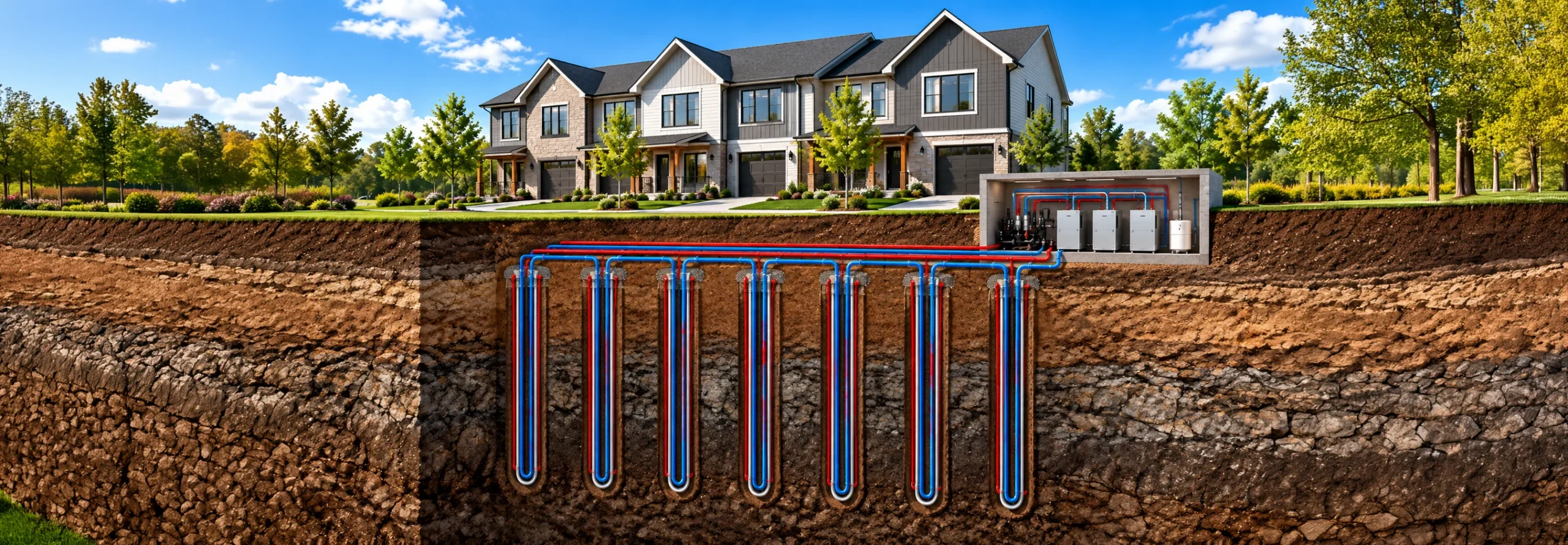
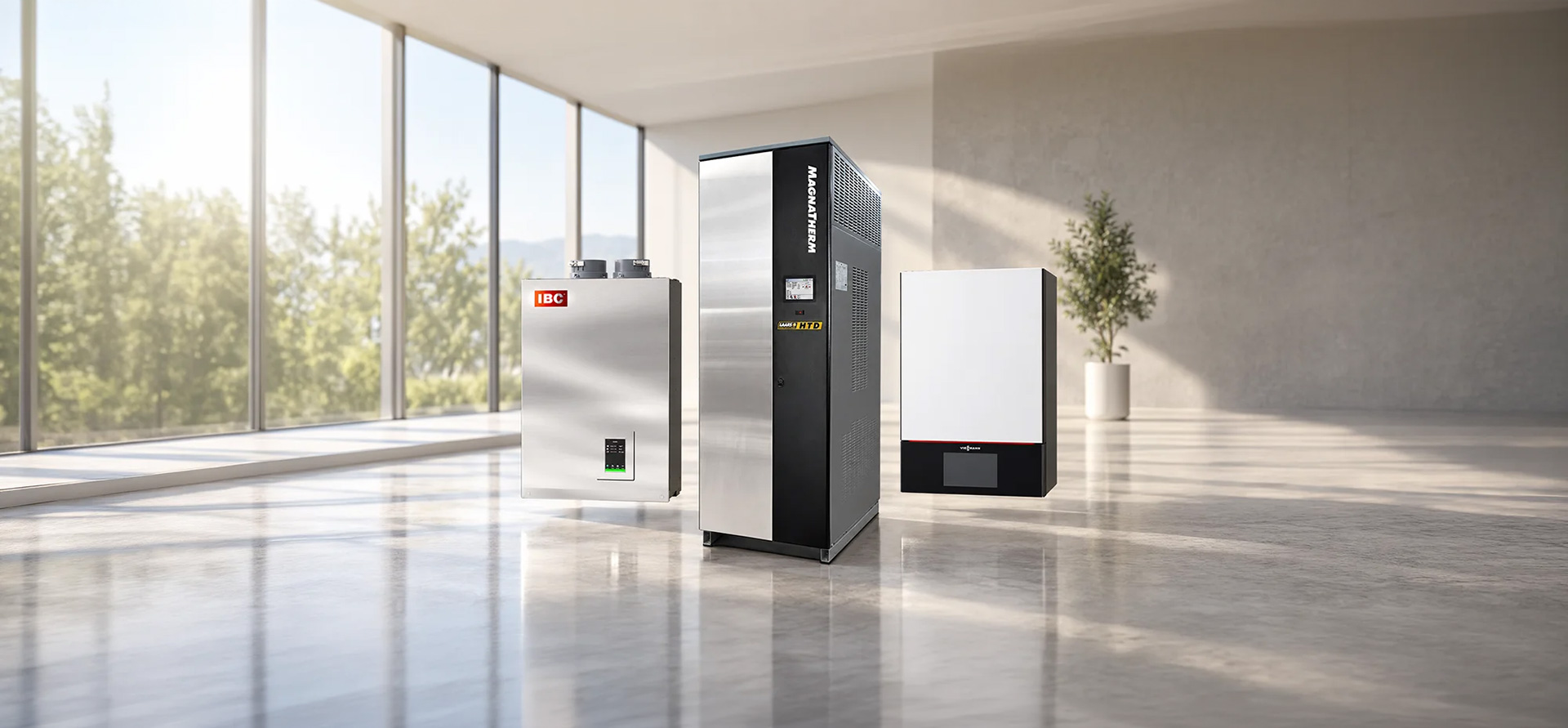
The HVAC industry is evolving quickly, and contractors who continue investing in technical knowledge, commissioning practices, and modern system design will likely have the strongest long-term advantage. From rooftop systems and VRF applications to cold-climate heat pumps and electrification projects, the gap between average installations and properly engineered systems is becoming impossible to ignore.
To stay ahead with product updates, technical education, and hands-on HVAC training opportunities across Ontario, visit Nordics HVAC Training. You can also explore the latest commercial and residential solutions from Airquest Official HVAC Website and Panasonic HVAC Canada.