Managing a building is no easy task. From ensuring tenant comfort to keeping energy costs under control, facility managers are constantly balancing multiple priorities. One of the most important responsibilities on the list is keeping HVAC systems operating at peak performance. These systems are not just about comfort — they directly affect health, safety, and the bottom line.
Neglecting maintenance can lead to higher utility bills, unexpected downtime, and costly repairs. But with a clear seasonal checklist, facility managers and their contractors can take proactive steps to extend the life of equipment and keep operations running smoothly.
Below is a detailed seasonal HVAC maintenance checklist, designed specifically with facility managers in mind. It covers what to look for in each season, common pitfalls to avoid, and tips that help save time and money over the long run.
Spring: Preparing for Cooling Season
When spring arrives, HVAC systems transition from heating to cooling mode. This is the ideal time to service air conditioners, rooftop units, and heat pumps before summer demand puts them to the test.

Checklist for Spring:
- Clean outdoor units: Clear away leaves, dirt, and debris around condensers. A dirty coil can reduce efficiency by as much as 30%.
- Change air filters: Fresh filters improve airflow, reduce strain on equipment, and enhance indoor air quality.
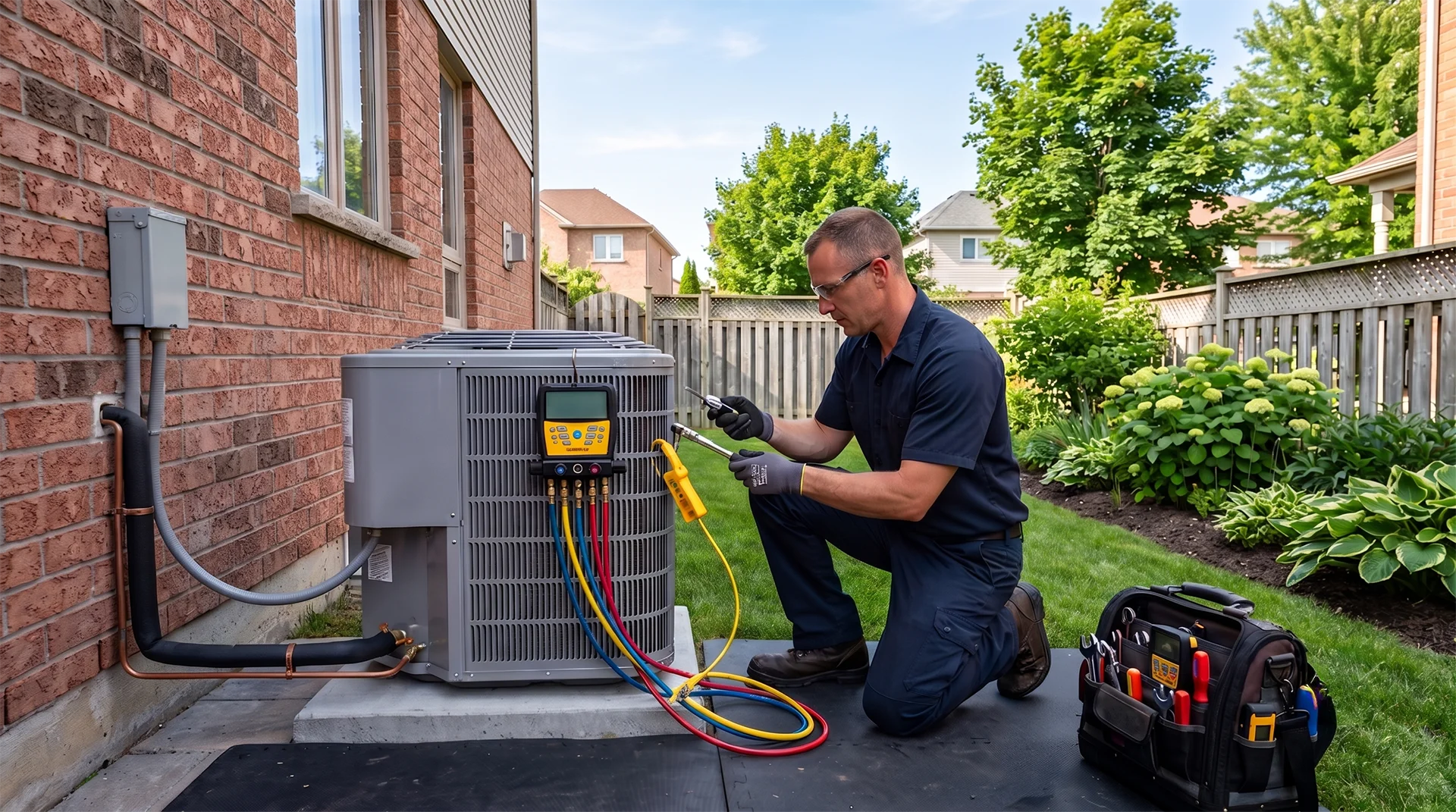
- Check refrigerant levels: Low refrigerant is a red flag for leaks. Addressing it early prevents compressor damage.
- Inspect controls and thermostats: Test for accuracy and recalibrate if needed to ensure consistent comfort.
- Examine condensate drains and pumps: Clear clogs that could cause water leaks and damage. Silent condensate pumps, like those from Eckerle, are often overlooked but essential for preventing flooding.
Why it matters: A well-prepared cooling system reduces energy use, keeps occupants comfortable, and avoids emergency service calls during summer heat waves.
Summer: Maintaining Peak Efficiency
Summer is when cooling systems work the hardest. Even minor issues can escalate quickly under continuous operation. Facility managers should focus on monitoring performance and catching small problems before they become major disruptions.
Checklist for Summer:
- Monitor energy consumption: Compare monthly utility bills with previous years. A sudden spike can indicate clogged coils, low refrigerant, or failing components.
- Inspect moving parts: Fans, motors, and belts are under heavy load. Rooftop units with modern beltless fan technology, such as Airquest’s X-Vane design, reduce maintenance needs — but they still require inspection.
- Listen for unusual noises: Grinding, rattling, or whistling sounds often signal mechanical wear.
- Check ventilation and airflow: Ensure balanced ventilation without overworking the cooling system. Poor ventilation can cause hot spots and humidity issues.
- Address occupant feedback: Encourage building staff or tenants to report comfort issues immediately. Many small complaints reveal hidden performance problems.
Why it matters: Staying proactive in the summer prevents mid-season breakdowns, keeps tenants satisfied, and saves money on emergency repairs.
Fall: Transitioning to Heating Season
As temperatures drop, attention shifts to furnaces, boilers, and hydronic systems. Preventive maintenance in fall is critical — waiting until the first cold snap can leave a building vulnerable to unexpected downtime.
Checklist for Fall:
- Schedule boiler tune-ups: Annual inspections ensure safety, efficiency, and compliance with local regulations.
- Inspect burners and ignition systems: Dirty or faulty burners can cause inefficient combustion and safety risks.
- Check heat exchangers: Cracks in a heat exchanger can leak carbon monoxide, a serious hazard.
- Test safety controls: Limit switches, pressure relief valves, and carbon monoxide detectors must all be functioning properly.
- Service hydronic systems: Flush old water, check for leaks, and inspect valves and thermostatic heads (such as those from Herz).
- Stock replacement parts: Filters, gaskets, and ignitors should be on hand before peak heating demand.
Why it matters: A heating system failure in mid-winter isn’t just inconvenient — it can compromise safety and cause costly property damage. Fall is the time to make sure systems are ready.
Winter: Monitoring and Responding Quickly

Winter places maximum strain on heating systems. Even the best-maintained equipment can face challenges during extreme cold snaps. Facility managers should focus on vigilance and rapid response.
Checklist for Winter:
- Conduct weekly equipment checks: Look for unusual noises, error codes, or fluctuating performance.
- Inspect rooftop units for ice buildup: Ice and snow can restrict airflow and damage components.
- Confirm proper ventilation: Blocked intakes or exhausts can create dangerous conditions.
- Test backup power systems: Ensure standby generators, like Generac models, are operational. They are critical for facilities that cannot afford downtime.
- Maintain service records: Keep detailed logs of inspections, service calls, and repairs. These records are invaluable for warranty claims and long-term planning.
Why it matters: Winter reliability is about preparedness. By staying vigilant, facility managers avoid costly shutdowns and maintain safe, comfortable environments.
Year-Round Best Practices
Beyond the seasonal checklist, a few universal practices make HVAC management smoother and more effective:
- Keep equipment areas clear: Mechanical rooms should remain free of storage and clutter to allow safe access.
- Work with trusted contractors: Establish service agreements with reliable mechanical contractors who understand your building’s needs.
- Train staff: Ensure on-site staff know how to identify and report issues early.
- Leverage technology: Smart thermostats and building automation systems can track performance, reduce energy costs, and provide early alerts.
- Plan for the future: Whether it’s upgrading to high-efficiency boilers, switching to R454B refrigerants, or investing in ductless heat pumps, future-proofing ensures long-term savings.
Final Thoughts
For facility managers, HVAC maintenance is not just about preventing breakdowns. It’s about protecting assets, ensuring safety, keeping occupants comfortable, and managing costs effectively. A seasonal checklist provides structure and consistency, helping you stay ahead of issues before they become emergencies.
At Nordics, we work alongside facility managers, contractors, and engineers to provide high-quality HVAC products, technical support, and training across Ontario and Quebec. From boilers and tankless water heaters to rooftop units, heat pumps, and power generators, our team is here to help you maintain reliable systems all year long.
Contact us to learn how Nordics can support your seasonal HVAC maintenance strategy.