Hydronic heating is not new, but modern advancements in boilers, air-to-water heat pumps, and tankless water heaters have made it one of the most efficient and flexible heating methods available today. For contractors, understanding these systems is key to meeting client expectations, qualifying for rebates, and staying competitive in the HVAC market.
What Is Hydronic Heating?
Hydronic heating works by heating water and circulating it through a closed system of pipes. The heated water can be distributed to radiators, baseboards, in-floor tubing, or even specialized fan coil units that use water as the heat source.
Instead of blowing hot air into a room, hydronic systems provide radiant or convective heat, resulting in a consistent temperature without the drafts or noise that can come from traditional duct systems. This makes hydronic heating a quiet, efficient, and long-lasting option for both residential and commercial projects.
Key Components of Hydronic Heating
1. Boilers
Boilers are the backbone of many hydronic heating systems. Modern high-efficiency boilers are much more compact than their older counterparts and deliver reliable heating with lower energy consumption.
- Gas-Fired Boilers: Common in many Canadian homes and commercial buildings.
- Condensing Boilers: Capture additional heat from exhaust gases, achieving efficiency ratings of over 95%.
- Modular Boilers: Scalable for large commercial applications.
At Nordics, we supply leading boiler brands like IBC, NTI, and Viessmann, which are well known for their innovation, efficiency, and durability.
2. Air-to-Water Heat Pumps
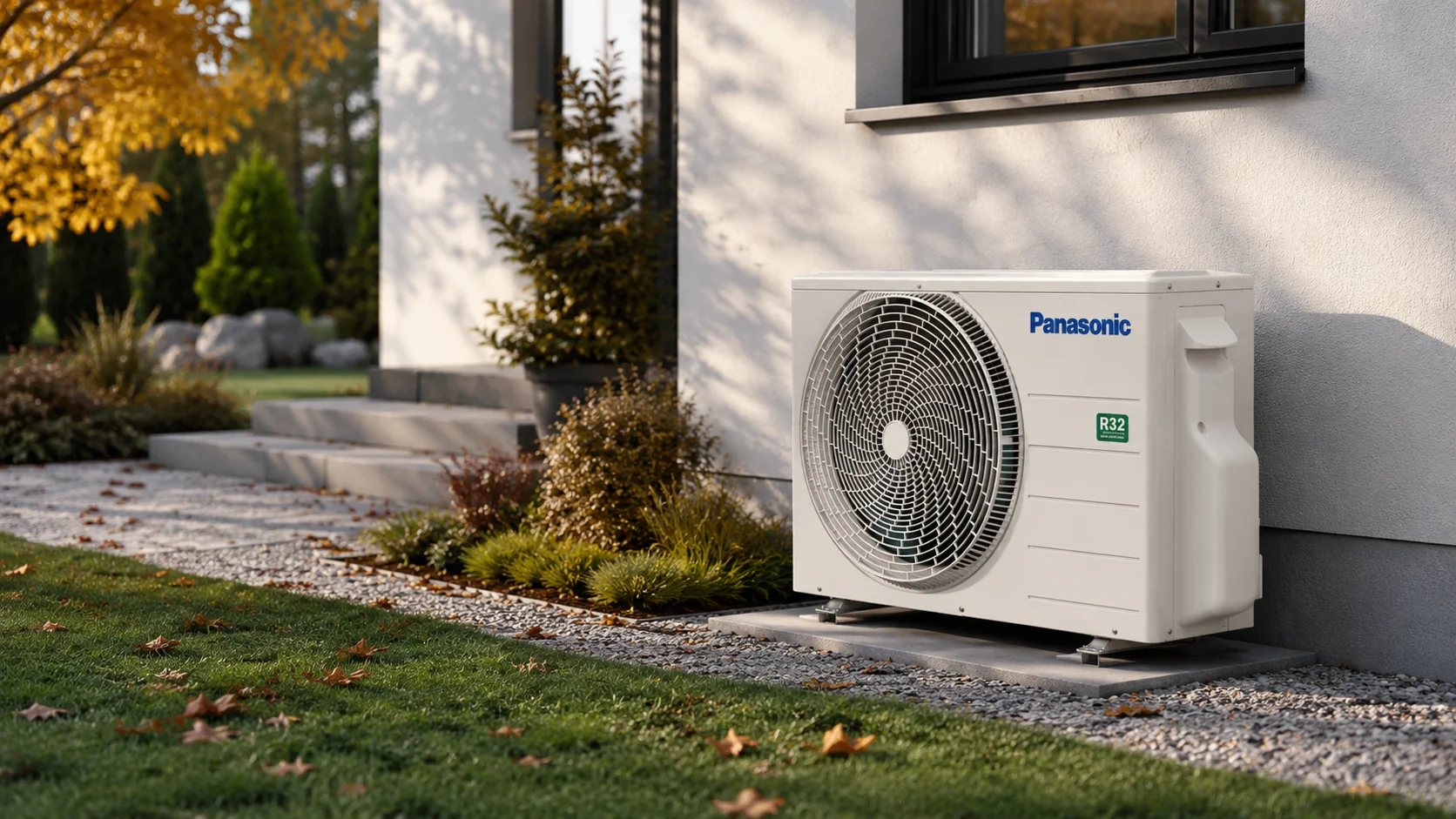
Air-to-water heat pumps are becoming increasingly popular in Canada, especially as the government pushes for greener heating solutions. These systems pull heat from the outside air—even in cold conditions—and transfer it into water for space heating or domestic hot water.
- Cold-Climate Performance: Many air-to-water heat pumps are designed to operate in sub-zero temperatures, making them ideal for Canadian winters.
- Energy Efficiency: Since they move heat rather than generate it, they use significantly less energy compared to conventional heating systems.
- Integration Flexibility: Can be paired with in-floor heating, fan coils, or hot water tanks.

Nordics offers IBC Air-to-Water Heat Pumps, engineered for efficiency and performance in cold climates.
3. Tankless Water Heaters
Tankless water heaters, also known as on-demand water heaters, provide hot water instantly without the need for a storage tank. In hydronic systems, they can serve as both a domestic hot water source and, in some cases, a heat source for space heating.
- Space-Saving: Compact design ideal for residential projects.
- On-Demand Efficiency: Only uses energy when hot water is needed.
- Durability: Long lifespan with lower maintenance needs compared to tank systems.
Brands such as Noritz and Viessmann are trusted names available at Nordics, giving contractors dependable tankless solutions.
Benefits of Hydronic Heating
Hydronic heating systems deliver several advantages that make them appealing to contractors and building owners alike:
- Energy Efficiency – Water is a better heat-transfer medium than air, allowing systems to operate with lower energy consumption.
- Comfort – Radiant heating provides even warmth, eliminating hot and cold spots.
- Quiet Operation – No noisy fans or blowers.
- Better Air Quality – Since there is no ductwork blowing air, dust and allergens are reduced.
- Longevity – Well-maintained hydronic systems can last decades, with fewer moving parts compared to forced-air systems.
- Versatility – Works with multiple types of emitters: baseboards, in-floor heating, fan coils, or radiators.
Applications in Modern Projects
Hydronic heating is adaptable to a wide variety of projects:
- Residential Homes – Perfect for in-floor radiant heating, which is popular in new builds and renovations.
- Multi-Unit Buildings – Boilers and tankless systems can provide hot water and space heating for apartments or condos.
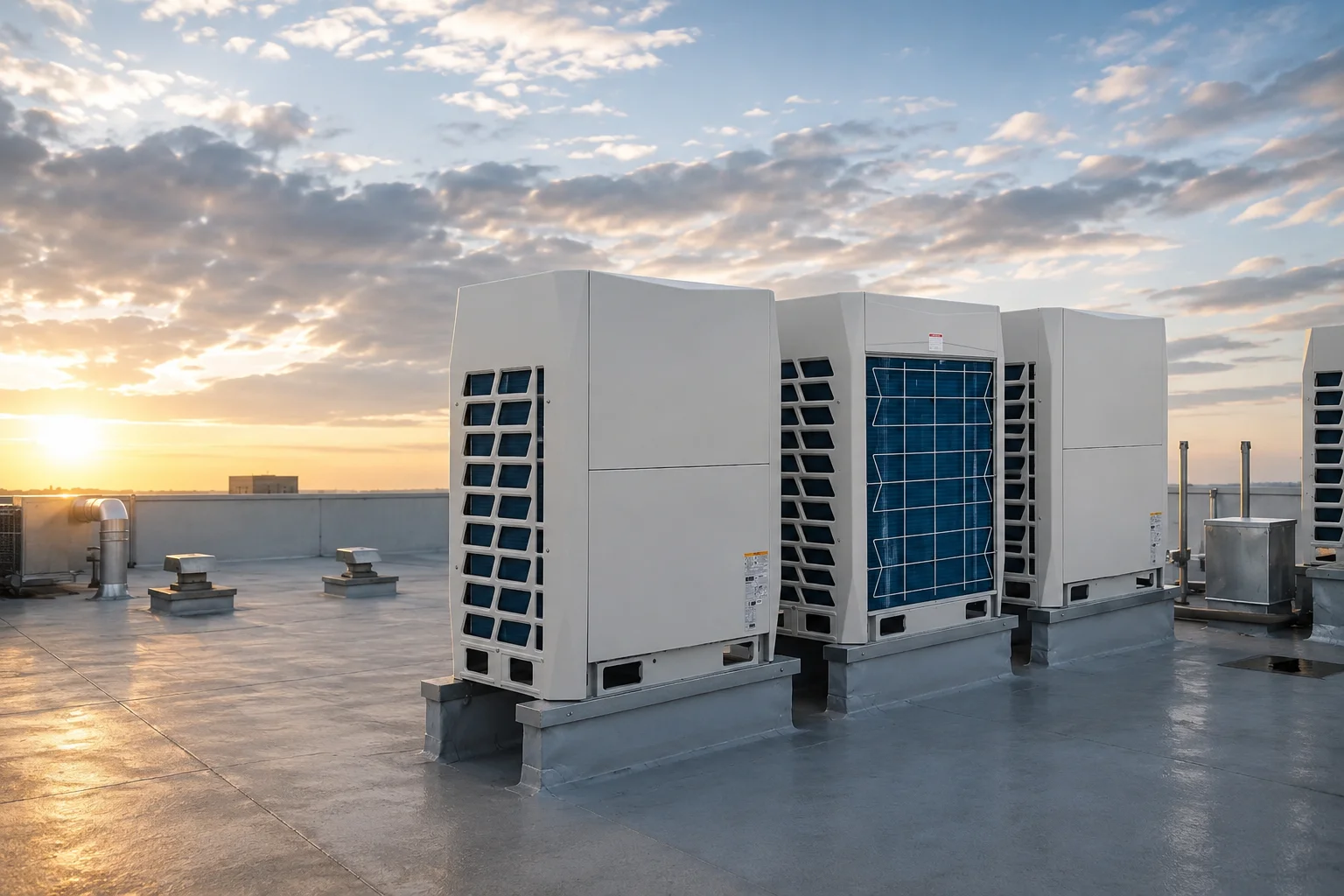
- Commercial Buildings – From office towers to schools, modular boilers and air-to-water heat pumps offer reliable heating at scale.
- Retrofits & Upgrades – Hydronic systems can be integrated into existing buildings to replace outdated or inefficient heating solutions.

The Contractor Advantage
For contractors, hydronic heating offers several strategic benefits:
- Rebate Opportunities: High-efficiency boilers and air-to-water heat pumps often qualify for provincial and federal rebates, making projects more attractive to clients.
- High Customer Satisfaction: Clients appreciate the comfort and reliability of hydronic systems.
- Flexibility in Design: Contractors can tailor systems to the unique needs of each project, whether residential, commercial, or industrial.
- Upselling Potential: Adding zoning controls, smart thermostats, and modern accessories creates opportunities for higher-value installations.
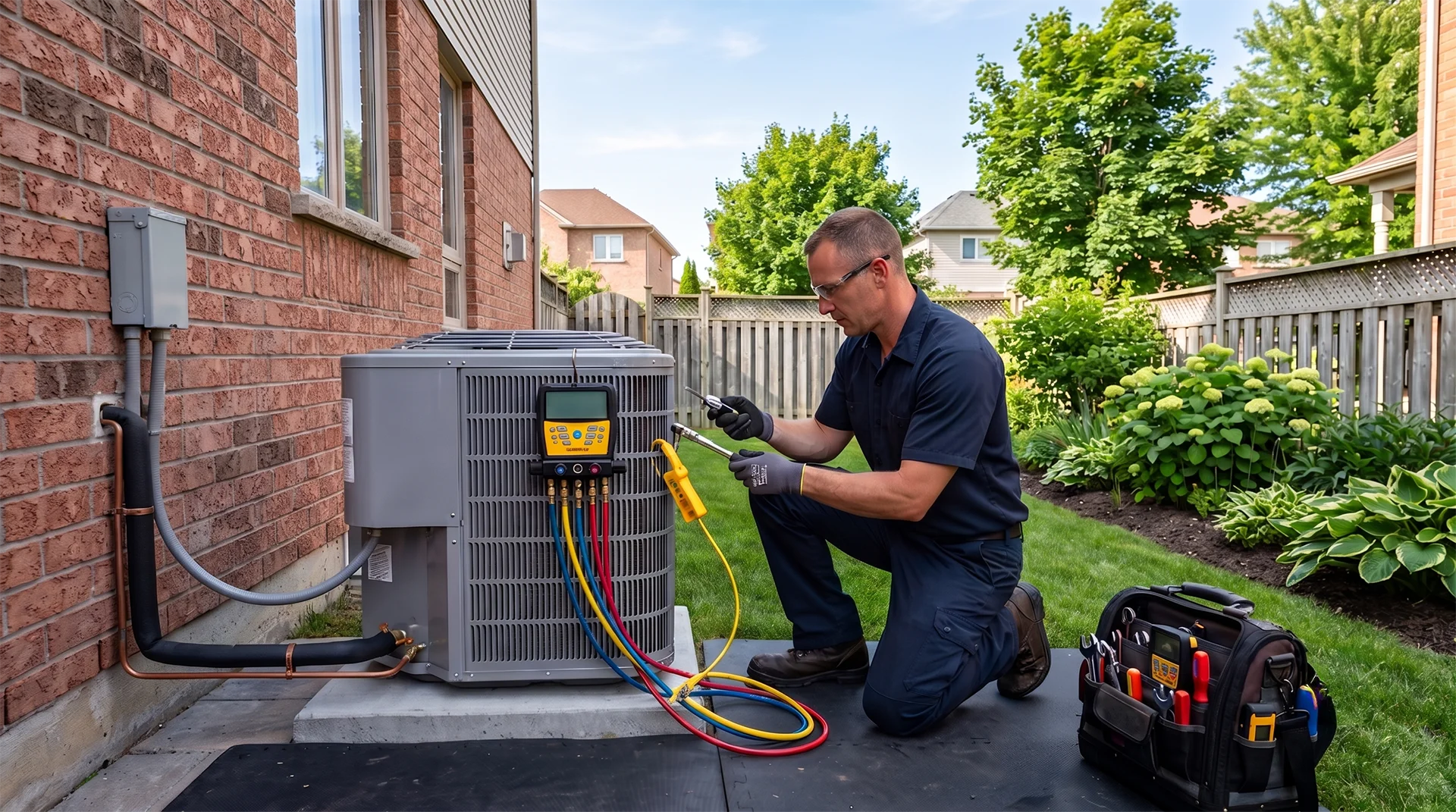
By positioning themselves as experts in hydronics, contractors can expand their service offerings and win more bids in competitive markets.
Hydronics and Sustainability
Canada is moving toward a low-carbon future, and hydronic systems are a perfect fit for this transition. With air-to-water heat pumps offering clean heating options and condensing boilers achieving extremely high efficiency, hydronics align with sustainability goals. Contractors who adopt these technologies early will not only stay compliant with regulations but also gain a competitive advantage as more clients demand greener solutions.
Conclusion
Hydronic heating is no longer just a niche solution—it’s becoming a central part of modern building design across Canada. Whether through boilers, air-to-water heat pumps, or tankless water heaters, hydronics deliver unmatched efficiency, comfort, and reliability.
At Nordics, we provide contractors with access to trusted brands like IBC, NTI, Viessmann, and Noritz, along with the expertise to support every stage of a project. As the HVAC industry continues to evolve, hydronic heating stands out as a proven, future-ready solution.
Contact us today to explore hydronic heating options for your next project.