Cold climate heat pumps are no longer an emerging technology in Ontario — they are now a core part of modern HVAC system design. As electrification continues to influence building practices and energy efficiency expectations rise, contractors are increasingly asked to specify systems that can perform reliably through long, cold Canadian winters. Today’s cold climate heat pumps are designed to meet those demands, but successful outcomes depend on proper system selection, design, and installation.
This guide is intended to help HVAC contractors better understand how cold climate heat pumps perform in real-world Ontario conditions, where they make the most sense, and what factors should be considered before specifying them on a project.
What Makes a Heat Pump “Cold Climate”
Not all heat pumps are designed for Canadian winters. Cold climate heat pumps are engineered specifically to operate efficiently at low outdoor temperatures, often maintaining meaningful heating capacity at -20°C and below. Unlike older heat pump technologies that relied heavily on electric resistance backup as temperatures dropped, modern cold climate systems are built to remain productive in prolonged cold conditions.
Key characteristics typically include inverter-driven compressors that adjust output based on load, enhanced vapor injection technology to improve low-temperature performance, and control logic designed for extended heating seasons. These features allow cold climate heat pumps to deliver stable indoor comfort while reducing energy consumption compared to conventional heating systems.
For contractors, understanding these design differences is essential when evaluating whether a system is appropriate for Ontario projects.
Real-World Winter Performance in Ontario
One of the most common concerns surrounding heat pumps is their ability to perform during extreme cold. In real-world Ontario applications, modern cold climate heat pumps have proven capable of delivering reliable heating across a wide range of conditions, provided they are properly sized and installed.
These systems are now commonly used as primary heating sources in single-family homes, townhouses, and low-rise multi-unit residential buildings. In light commercial settings, they are increasingly specified for offices, retail spaces, and mixed-use developments where energy efficiency and predictable operating costs are priorities.
Performance expectations should always be grounded in accurate heat loss calculations rather than assumptions. When systems are sized based on actual building demand, cold climate heat pumps can maintain consistent comfort without excessive reliance on auxiliary heating, even during extended cold spells.
System Design and Sizing Considerations

Proper system design is one of the most critical factors in cold climate heat pump performance. Oversizing can lead to short cycling, reduced efficiency, and unnecessary wear, while undersizing can compromise comfort during peak heating demand.
Contractors should base system selection on detailed heat loss calculations that account for insulation levels, air tightness, glazing, orientation, and occupancy patterns. In retrofit applications, improvements to the building envelope can significantly impact system requirements and overall performance.
Duct design, airflow balance, and control strategy also play important roles. Cold climate heat pumps perform best when paired with well-designed distribution systems that allow them to operate steadily rather than cycling frequently.
Central and Ductless Cold Climate Applications
Modern cold climate heat pump technology is available in both central and ductless configurations, allowing contractors to tailor solutions to specific project needs.
Central cold climate heat pumps are often used in buildings with existing ductwork or where full-building air distribution is required. These systems integrate with air handlers and can be configured as standalone electric systems or as part of a hybrid setup with backup heating.
Ductless cold climate heat pumps provide flexibility for zoned comfort, renovations, and buildings where ductwork is limited or impractical. Multi-zone ductless systems are increasingly used in retrofits, additions, and multi-unit applications where individual temperature control is desired.
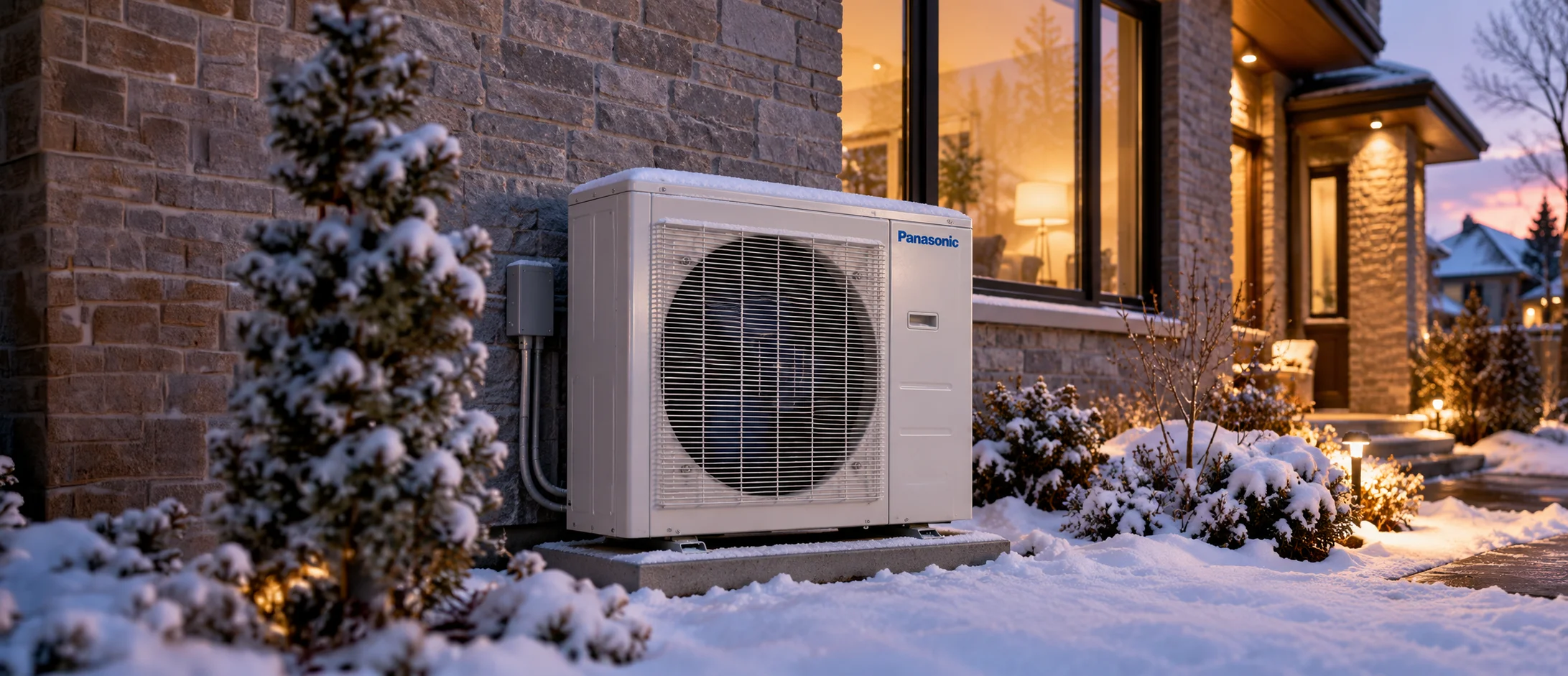
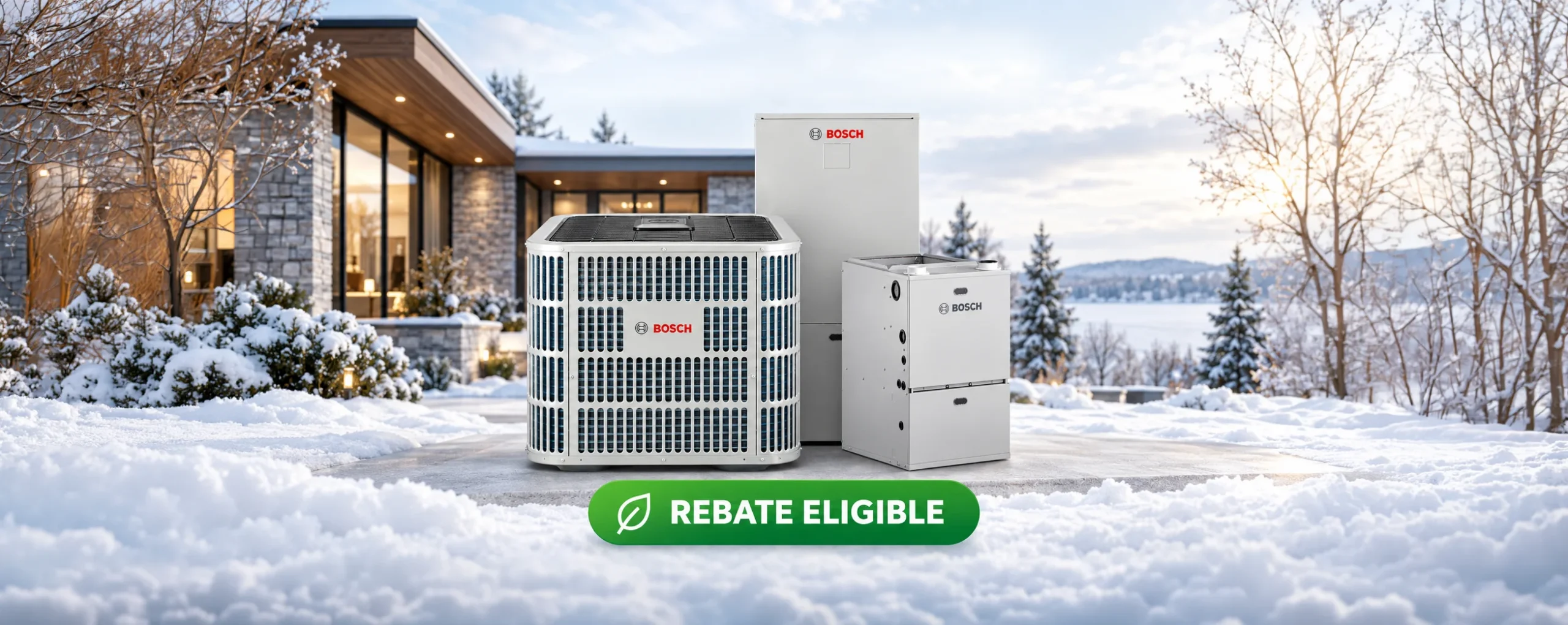
Manufacturers such as Airquest, Panasonic, and Bosch offer cold climate heat pump solutions across both central and ductless categories, designed specifically for low-temperature performance. Understanding the strengths of each configuration allows contractors to recommend systems that align with building layout, usage patterns, and client expectations.
Installation Details That Matter in Cold Weather
Even the most advanced cold climate heat pump will underperform if installation details are overlooked. Outdoor unit placement is especially important in Ontario’s winter conditions. Units should be elevated above anticipated snow levels, positioned to avoid drifting snow, and installed with sufficient clearance to maintain proper airflow.
Refrigerant piping design, line lengths, insulation quality, and routing all directly affect system efficiency and reliability. Electrical capacity must also be verified early in the project, particularly in retrofit scenarios where panel upgrades may be required.
Attention to these installation details not only improves system performance but also reduces winter service calls and long-term maintenance issues.
Defrost Operation and Cold-Weather Reliability
Defrost cycles are a normal part of heat pump operation in cold climates. Modern cold climate heat pumps use advanced defrost strategies designed to minimize energy loss while maintaining indoor comfort.
Proper airflow, correct refrigerant charge, and appropriate outdoor unit placement all contribute to efficient defrost operation. Contractors who understand how defrost logic works can better explain system behavior to clients and help set realistic expectations during winter operation.
Educating end users on defrost operation can significantly reduce unnecessary service calls and improve overall satisfaction.
Hybrid Systems as a Practical Approach
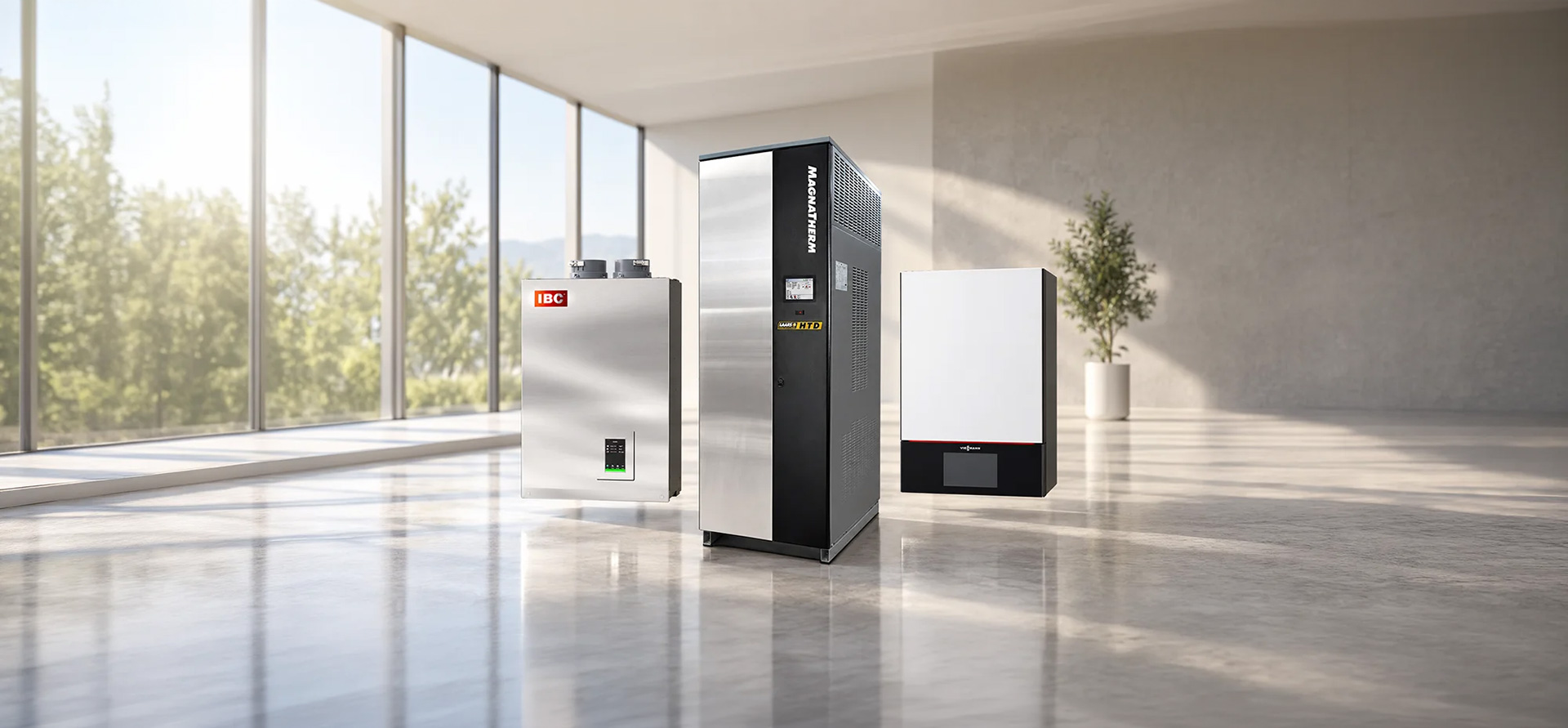
Hybrid heating systems remain a practical solution for many Ontario projects. By pairing a cold climate heat pump with a gas furnace or boiler, contractors can create a system that balances efficiency and reliability.
In mild and moderate temperatures, the heat pump operates as the primary heat source, delivering high efficiency and lower operating costs. During extreme cold, the system transitions to backup heating, ensuring consistent comfort without overloading the heat pump.
Hybrid configurations are especially effective in retrofit projects and buildings with high peak heat demand, offering a smooth transition toward electrification while maintaining dependable performance.
Current Market Trends and Contractor Opportunities
Cold climate heat pumps are gaining momentum due to a combination of regulatory changes, energy efficiency targets, and growing awareness among building owners. Utility incentives and rebate programs continue to support adoption, while new construction standards increasingly favor high-efficiency electric solutions.
For contractors, this shift represents a significant opportunity. Those who invest in understanding system capabilities, design requirements, and installation best practices are better positioned to support modern HVAC projects and differentiate themselves in a competitive market.
Maintenance and Long-Term Performance
Like all high-performance HVAC equipment, cold climate heat pumps require proper maintenance to deliver consistent results. Regular inspections, coil cleaning, airflow checks, and control verification help maintain efficiency and extend system lifespan.
Contractors who offer structured maintenance programs can help clients protect their investment while ensuring systems perform reliably throughout the heating season. Preventative maintenance also reduces emergency service calls during peak winter periods.
How Nordics Supports HVAC Contractors
At Nordics, we work closely with HVAC professionals to support cold climate heat pump projects across Ontario. From system selection and technical guidance to training resources and product support, our team helps contractors deliver reliable, high-performing solutions in real-world conditions.
With access to proven cold climate heat pump solutions from Airquest, Panasonic, and Bosch, including both central and ductless systems, Nordics supports contractors at every stage of the project lifecycle.
Final Thoughts
Cold climate heat pumps have moved beyond the experimental stage and are now a proven solution for Ontario’s demanding climate. Contractors who understand how these systems perform in real-world conditions, how to design them properly, and how to install them correctly are well positioned for the future of HVAC.
As the industry continues to evolve, cold climate heat pumps will remain a key component of efficient, reliable, and future-ready heating systems.